Insight
How do the changing design trends relate to consumer values?
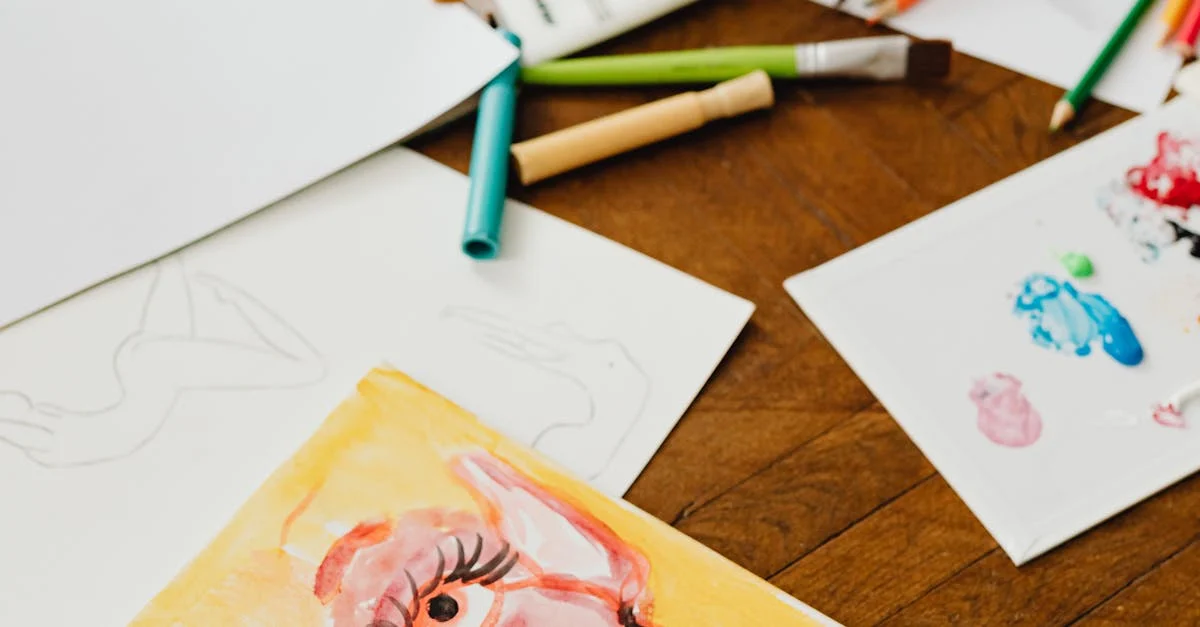
In the post epidemic era, consumer values and brand preferences have changed significantly in the new post epidemic market. From the pursuit of CP value to the desire for a personalized brand experience, design trends have evolved as well. Through authentic, unique, diverse and sustainable brand design, companies can not only build deep emotional connections, but also stand out in the new market.
Through authentic, unique, diversified and sustainable brand design, we construct a personalized brand experience with depth and warmth, and create a community of brand fans in the post-epidemic era.
The epidemic has changed people's consumption habits and attitudes towards brands, from choosing products through CP value in the past, to consumers now preferring brands that can bring joyful immersive experiences or resonate with their own values, and brands are no longer just a product provider, but also a community builder.
Therefore, how to convey the emotional value of a brand and create a personalized brand experience through brand identity design will be the key for brands to stand out in the marketplace, making the following four design trends a hot topic for 2024:
1. Diversified brand image to convey unique value proposition
A diverse brand image is not a single design style, but more accurately an expression of inclusiveness and values. By demonstrating the brand's diversity, whether reflecting the diversity of products and services, or the brand's commitment to social diversity and inclusiveness, the brand's unique worldview and values can be demonstrated. This diversity not only attracts consumers with different backgrounds and values, but also deepens the emotional connection between the brand and the consumers, which makes the brand stand out from the competition in the market, and become the first choice of the consumers. In the face of homogenized competition in the market, brands with unique and diverse images have stronger brand memory and can attract consumers who are looking for unique and personalized experiences. These consumers are often more willing to establish a deep emotional connection with the brand and are willing to pay a higher value for its products and services.
The brand image designed by Process Pro for Combi Group also catches up with this trend. Combi Group has been deeply engaged in the field of healthcare in Taiwan for more than 20 years, and the services provided by its sub-brands cover four major categories, namely, preventive medicine, aesthetic medicine, massage and healthcare, and senior housing. The brand image is designed with colorful and diversified gradient colors, and with varied auxiliary graphic representations, so that the Group's image can encompass the full range of services provided by its sub-brands and effectively convey the brand idea of "Joy to Joy and Happiness". The brand image is designed with colorful gradient colors and varied auxiliary graphics, allowing the Group's image to encompass the full range of services provided by its sub-brands and to effectively convey the brand proposition of "PLEASURE, PLEASURE, PLEASURE, HAPPINESS," distinguishing itself from other health-related brands that emphasize functionality with its diversified, unique, and warm sensibility, and further establishing a closer connection with consumers.
Case reading:Calmport Group
2. Emphasize real moments of beauty and use stories to resonate with consumers.
In the wake of the epidemic, people's reliance on digital technology, coupled with the rise of AI, has led many brands to pursue flashy, futuristic visual presentations. However, in today's highly advanced digital technology, consumers have higher expectations of brand sincerity and humanity. Therefore, some brands have decided to go the other way around and instead of emphasizing on technology and techniques, they use real, warm and emotionally touching brand images to show the sincere interpersonal interactions between the brand and the consumers or stories, which can trigger consumers' resonance and sense of identity. Such a strategy not only stands out in a competitive and homogenized market, but also builds a deeper and longer-lasting relationship of trust and brand loyalty with consumers, making them more willing to support the brand on a long-term basis, and even help to become brand ambassadors for the promotion of the brand.
The importance of presenting a sense of reality and storytelling is also reflected in the hot topic of employer branding in recent years. Process has constructed an employer brand for Q Burger, a leading Taiwanese food and beverage brand. In addition to presenting a unique recruitment proposition with the "Hello! In addition to the "Hello! Boss Program", the employer brand was constructed with a unique recruiting slogan. Visually, the employer brand also uses bright and lively graphic representations and real, storytelling brand images to show the warm smiles of employees and the lively, young working environment, which has not only attracted potential job seekers, but also resonated with the existing employees, and achieved the recruiting results of a 25% growth in the number of résumés, and a 5.2% drop in the turnover rate.
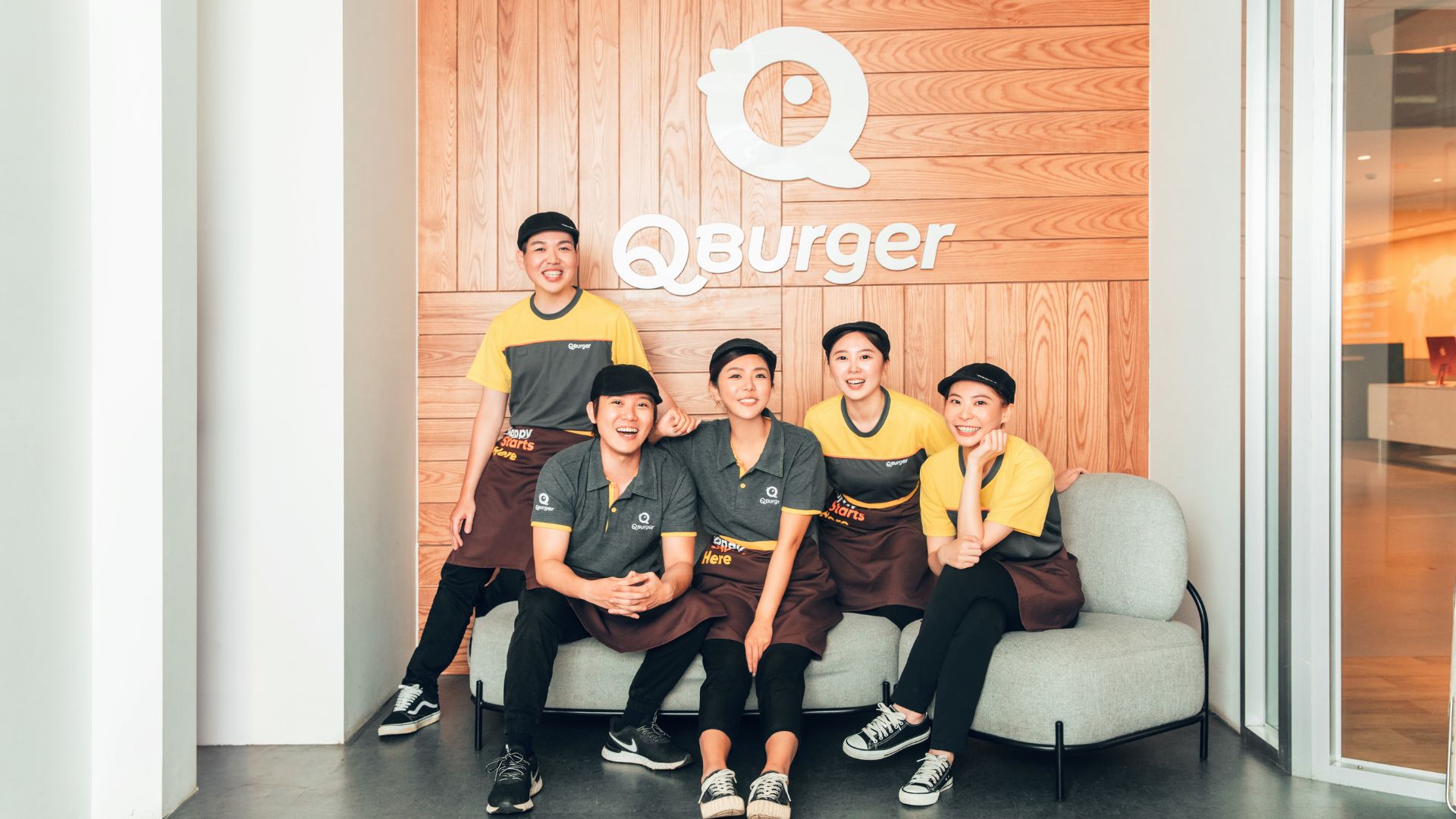
Case reading:Q Burger
3. Utilize digital tools to build a personalized and unique brand experience
In the aftermath of the epidemic, people's consumption patterns have changed as a lot of work time has moved to the home. More and more brands are exploring how to leverage digital tools to create a more personalized and customized shopping experience for consumers. Through AI technology and data analytics, brands are able to more accurately understand consumer needs and preferences, so they can provide more personalized and tailored products and services at key points in the customer experience journey. This not only strengthens the connection between consumers and brands, but also increases their loyalty to the brand, as well as their overall satisfaction and willingness to buy. As technology continues to advance, this trend of personalized brand experience will continue to develop and become one of the most important strategies for brands to enhance their competitiveness and attract consumers. This trend also tests whether designers have the ability to create creative and design solutions that highlight the characteristics of a brand in a digital environment.
HARO, Germany's leading wood flooring brand for over a century, commissioned Process Pro to conduct a rebranding exercise and discovered that buying new flooring is a one-time event for many people, and how to motivate customers to make a purchase at the key touch points is a crucial part of the process. Therefore, HARO developed the HARO Room Visualizer, which combines AR with real-world interactive functions in the APP and official website, allowing consumers to quickly see how the product is used in their homes, and through the design of the question-and-answer digital interactive experience, it provides consumers with more personalized product recommendations, which effectively enhances customers' willingness to buy.
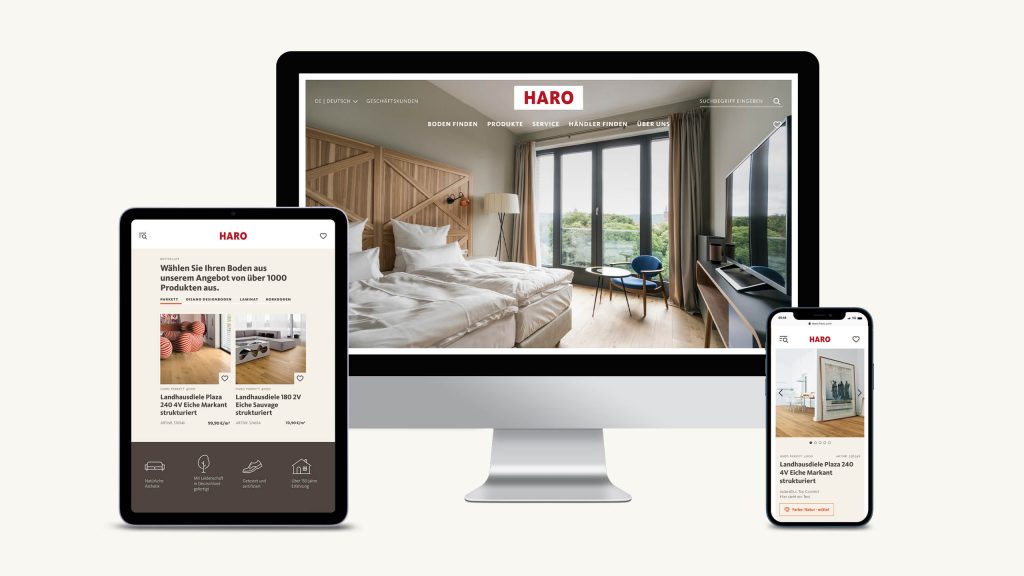
Case reading:HARO
4. internalize sustainability as a brand spirit and generate consumer recognition
Sustainability and Corporate Social Responsibility (CSR) continue to be a central theme in the design world in 2024, with consumers increasingly concerned about the environmental impact of products and brands. In addition to using sustainable materials in their designs, brands are also striving to incorporate sustainable branding into their brand identities. Consumers are now more likely to support brands with a strong sense of social responsibility and environmental awareness, prompting companies to actively incorporate sustainability into their marketing and branding. Sustainability should not just be an image project, but should be realized from the inside out, including transparent supply chain management and practical carbon reduction measures. In addition, brands need to have a positive impact on society, such as promoting equal opportunities, supporting the underprivileged and fostering social justice, in order to enhance brand value and ultimately win the trust and loyalty of consumers.
eniwa is a Swiss energy supplier committed to making the sustainable use of energy easy for all its customers. Process has refined its branding strategy and designed a new brand image for it, using bright, light-hearted yellow-green as its brand color, with simple, bold and forward-looking graphics, echoing the brand slogan, "Energy, Simple Sustainability," and embodying the brand's concept of green energy sustainability. It communicates the issue of sustainability in a relaxed but not casual manner, and establishes an emotional connection with local residents, which in turn creates a sense of identification with the brand.
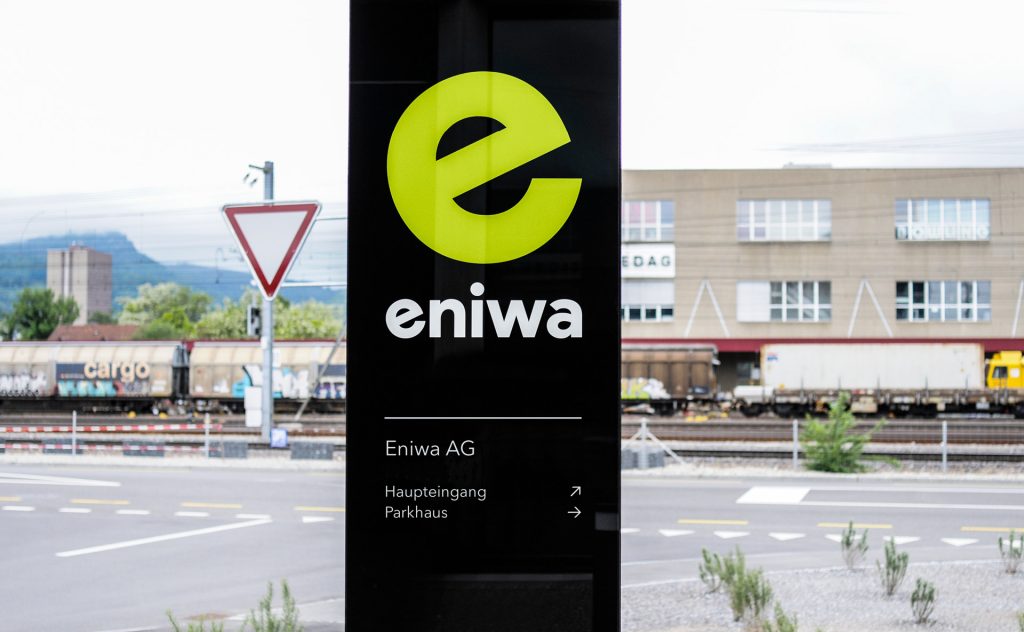
Case reading:eniwa
The New Value of Design in the Challenge of AI
The challenge to the design industry in 2025 will most likely come from AI. Technological innovation will undoubtedly replace a part of the designer's work, and when the production of images no longer meets the technological thresholds, designers will have to think about what the true value of design is, but such a challenge also carries great opportunities.
With advances in AI technology, designers have the opportunity to focus on more creative and strategic areas of their work. This includes gaining a deeper understanding of consumer insights and cultural contexts, and incorporating these elements into their designs to create work with greater depth and meaning. At the same time, the emergence of AI has brought new design tools and platforms that can dramatically improve the efficiency and accuracy of design, allowing designers to realize creative ideas more quickly.
Therefore, we can boldly predict that in the future design market, compared with the past design services that emphasize on CP value and technology, the works that can be closely connected with consumer needs, brand connotation and culture, and have depth and significance will be more valued.