
Interview|Insight
Board of Directors' Review : Challenges of Brand Globalization for Taiwan Enterprises
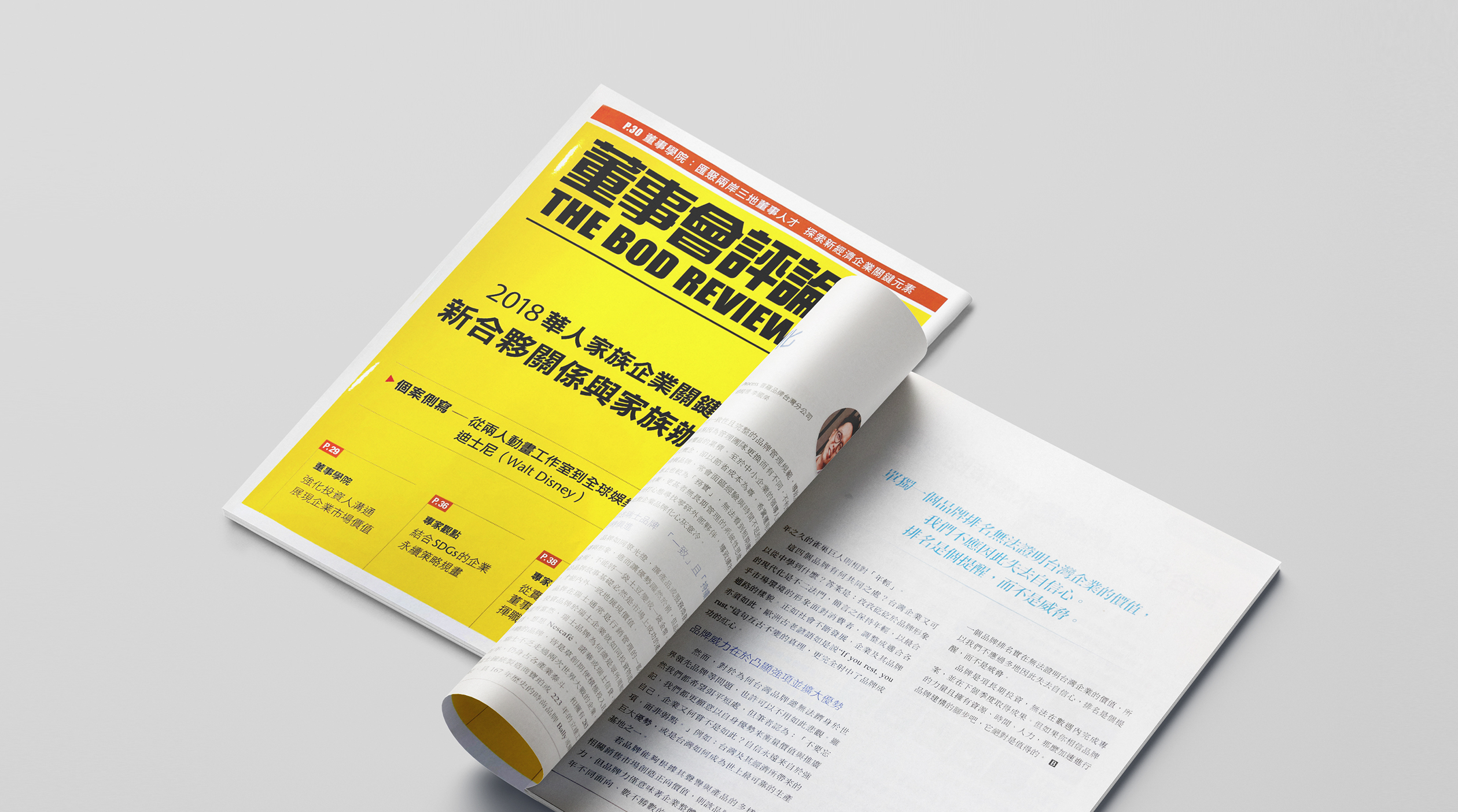
[Board Commentary
(Written by: Lee Kwok Wing / Honorary Advisor of Process Pro Brand Taiwan)
There are countless companies in Taiwan that have gone global, but few of them have been listed in Interbrand's ranking of the world's best brands over the years. In fact, Taiwan is rich in manufacturing, healthcare and service industries, and there are many invisible champions with hidden strengths, but only a few are willing to develop their brands. Perhaps what Interbrand would like to remind Taiwanese enterprises is that we should understand that it is time to change from "industry globalization" to "brand globalization", in which brand building and management have become a major issue for enterprises without delay.
Taiwan's branding power limited by the OEM framework
In China, the economic boom and as an important market in the world, the past enterprises, whether from domestic demand to expand to foreign sales, or second generation succession, but also a rapid shift to the direction of branding, to ensure that the next wave of momentum in the must-have; in Taiwan, perhaps the long-term overall industrial policy, even if the government spared no effort to promote branding counseling programs, or the importance of the civil call for branding, the previous mode of OEM thinking and successful experience, the delayed enterprises into the brand building decision-making time, and investment in manpower and money. The investment of manpower and money is also relatively conservative.
The author observes that large enterprises and conglomerates generally have a basic brand identity system in place, however, with the passage of time, there are too many touch points that lack a consistent and comprehensive brand management specification, resulting in the brand's face easily changing due to the change of the management team, which is not conducive to the accumulation of long-term brand equity. As for the leaders of SMEs, they may have the concept of branding, but they respect cost saving and hope to use their existing manpower to develop their brands, often facing the dilemma of lack of experience and time; they are also more "pragmatic" in their mindset, and cannot see the short-term results and delay decision-making, and they even do not have the systematic mindset of long-term management, instead, they use a short-term mentality to look for piecemeal external partners, which has led to poor performance and disillusionment with the branding of the enterprise. The result is a lack of performance and a disillusionment with corporate branding.
Following the example of the Swiss brand, "consistent" and "continuously" up-to-date.
Branding is like a spotlight that gives a product or service a better shine and image, which in turn gives it an edge, but branding is not a goldsmith's art; it cannot turn a sack of potatoes into a sack of gold coins. The foundation of every successful brand story must be a successful product or service in the marketplace in order to deliver value internally and externally.
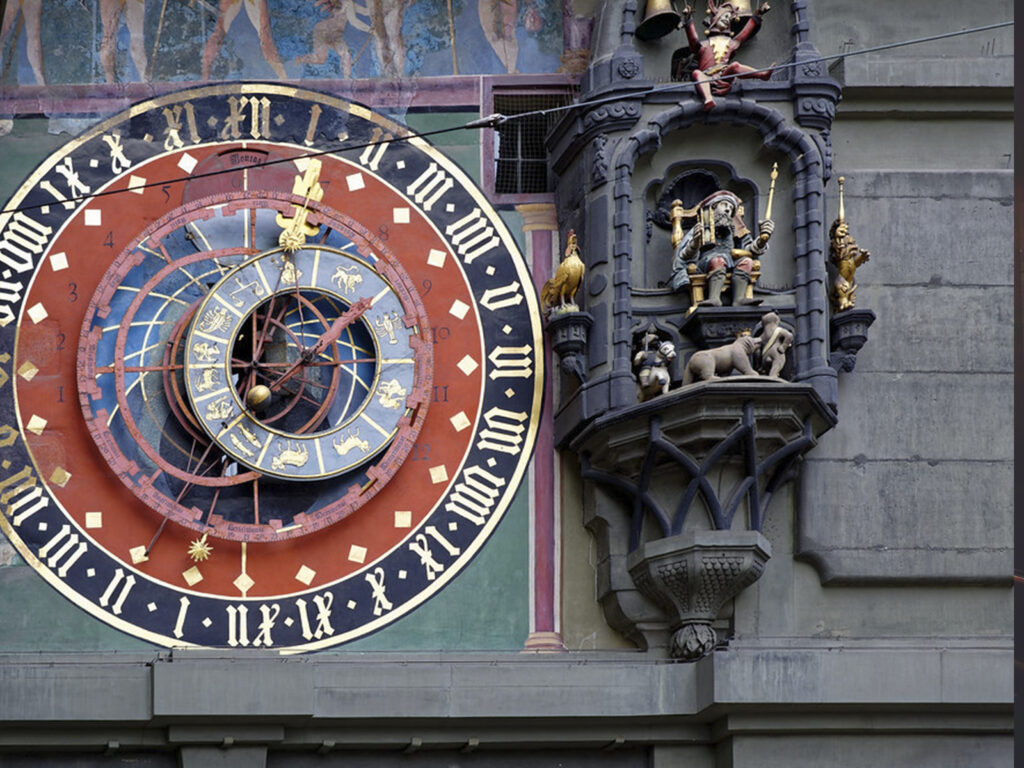
Branding is usually part of marketing management in Switzerland. Investing in brands is therefore as natural for Swiss companies as investing in logistics or research and development. There are signs of why Swiss brands are always well known: think of Nescafé, Novartis or Credit Suisse - all household names that have been actively invested in from their infancy and continue to do so. Switzerland is full of companies that have survived two world wars and, despite their age, are still among the leading players in their respective industries. The 167-year-old fashion brand Bally or the 152-year-old Nestlé giant are relatively “young” compared to the 283-year-old Swiss watchmaker Blancpain or the 223-year-old Rieter Industrial Group.

The power of a brand is in highlighting its strengths and expanding its advantages.
However, we may not have to be so pessimistic when it comes to the question of why Taiwan's brands have never been able to become the world's leading brands. Although we all want to eliminate our shortcomings, the author believes that:
"Don't forget that we all prefer to value and promote ourselves on our own merits, and the same is true for businesses. Confidence always comes from strengths, not weaknesses."
For example, the enormous advantages that Taiwan and its economy bring, or how Taiwan has become one of the most reliable production bases in the world.
If a brand is able to create positive value in the relevant sales market based on its reputation and product diversity, then the brand has influence, but brand power means only a part of the company as a whole, and in the countless rankings and evaluations of different orientations every year, the ranking of a single brand is not really a proof of the value of a Taiwanese company, so we shouldn't lose our self-confidence in this way too much, and the ranking is a reminder, not a threat.
Branding is a long term investment and it is not possible to complete a project in a few weeks and get results in the next quarter, but if you believe in the power of branding and have the resources, time and manpower to do so, then accelerate the brand building process, it is definitely worth it.
[Case Sharing]
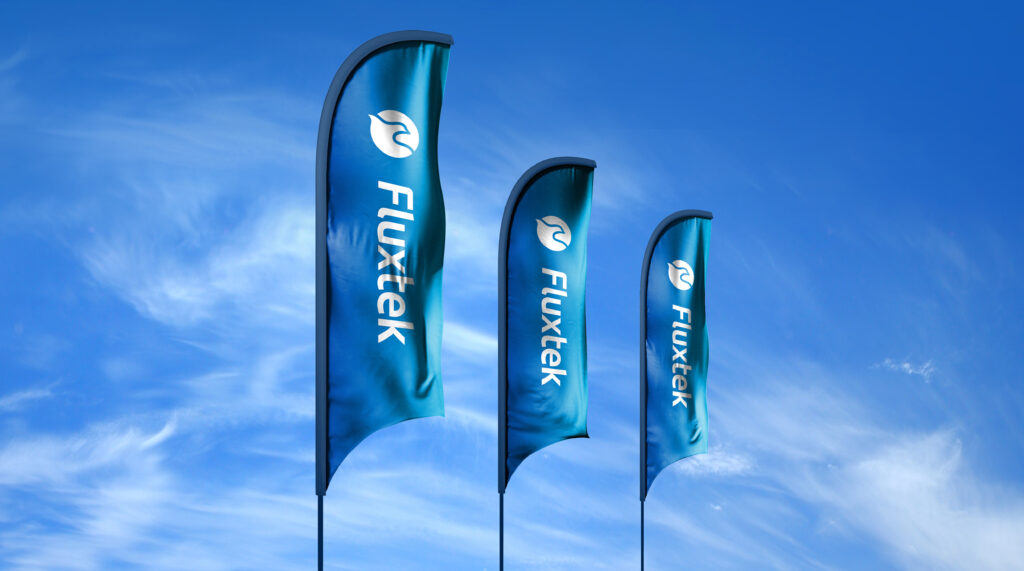
FLUXTEK is a globally marketed water purifier brand from Taiwan, with distribution networks in 25 countries, including Spain, the United Kingdom, the Middle East, Japan and Southeast Asia, and a leading brand in emerging markets such as Turkey. The construction of the brand not only allows the company to understand more about the philosophy of the operator, but also allows consumers to recognize the corporate culture and spirit. In the past, the lack of a methodology, implementation framework, and appropriate communication language prevented colleagues from clearly perceiving and receiving the intentions of the corporate leaders, and prevented them from further implementing them. However, through the re-branding project, Pro has adopted"Co-Creation"In this way, we accompanied our colleagues to create the future brand image after the team's consensus step by step, and extended it from the inside to the outside with a high degree of consistency, successfully connecting the responses of internal colleagues and external consumers to the brand's recognition and expectations.
View More FLUXTEK >>