Interview
Digital Transformation Trends from Business Models and Brands (Next) How can enterprises take the first step of transformation? Starting from facing the challenges of digital mindset and organizational culture.

Change is painful. In the face of the wave of digital transformation, how do enterprises know that they need digital transformation? Digital transformation must not be done for the sake of following the trend, it is recommended that enterprises can first use the business model nine lattice to think about whether there is an opportunity to pull out the second profit model? BMI Strategic Design Consulting partner Diane Shen, Creative Director, and Jules Li, Honorary Consultant of Process Pro Branding Taiwan Branch, then provide some advice on business model design and branding engineering for enterprises interested in digital transformation. We will provide some suggestions for enterprises engaged in digital transformation to help them find the right entry point and achieve twice the result with half the effort.
Brand Engineering for Digital Transformation: Starting with Internal Empathy
Jules:Often companies want to do branding, and the business model itself is undergoing transformation. Although many CEOs realize that branding is a must, once they start, they begin to encounter different voices within the company, and the person in charge must make everyone believe that they can create the second growth curve in a better way, for example, by starting with the visual recognition system, so that the company can have a clear and consistent image externally, and be more attractive to people in recognizing the beauty of its products and services. The importance of Pro's continuous communication strategy, through external target group interviews, research, competitors' language, step by step to bring in external information, departments begin to communicate with each other, hear each other's voices, Pro to guide the co-creation of the enterprise internal sense of common sense, from sales, marketing, to branding, digital tools will also come in handy. The relationship between digital and branding also has to do with how the enterprise views the brand. With the popularization of digital technology applications, enterprise owners know that every aspect needs to be changed, but they just don't know how to connect the dots, and they often need external partners to give them a helping hand.
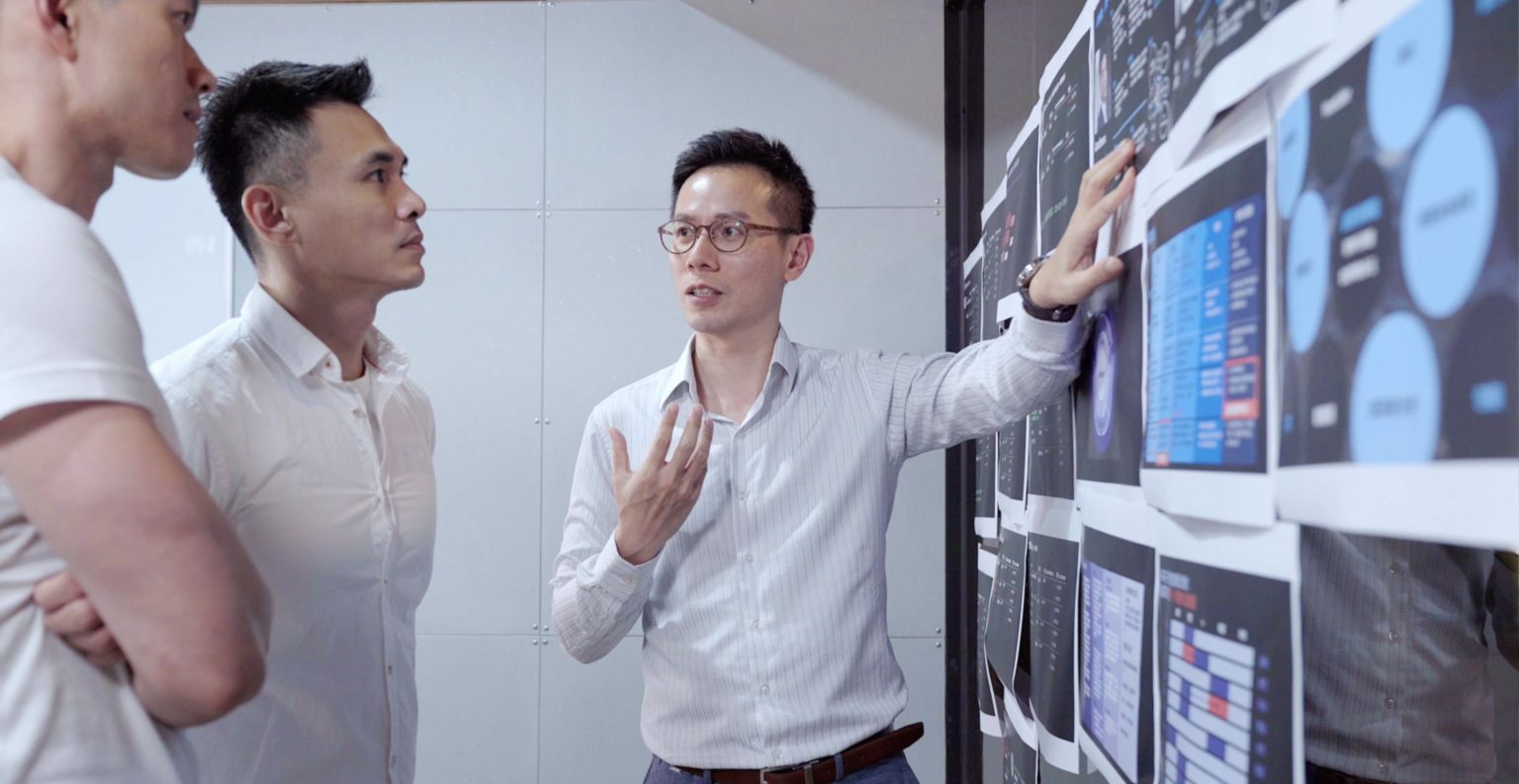
ProcessPro's Honorary Brand Consultant, Mr. Lee Kwok Wing (right), guides the co-creation and creates a sense of empathy within the company.
In the process of brand building, the main thing is to be able to sense theIn the past, the contact points between brands and customers were mostly offline and physical, so the communication applications developed were mostly print items. Nowadays, people coexist with cell phones, tablets, computers, TVs, and even Podcasts, which are flourishing, so brands have to continue to tell a good story and convey values through visual and auditory elements that are more in line with the digital environment. Advocacy. By providing relevant service cases, Prosperity will let clients know that branding is not only for print, but also for digital multimedia options.
Defeating Digital Competence, the Baggage of Successful Experiences, and Mistrust of Technology
Diane:Challenges vary depending on the maturity level of the digital tools used. Enterprises with a lower level of digital mastery will initially encounter a variety of problems in terms of talent, capacity and knowledge limitations; then there is the baggage brought about by past successes, such as boutique brands that believe that online marketing is very inexpensive, do not believe that digital communication can convey the same value as the physical experience, and ignore the fact that new channels are intended to bring in the new generation of consumers, which will impede the transformation. In addition, technology skeptics, such as business-oriented pharmaceutical and insurance companies, are worried about being replaced by digital tools, and do not think about and use technology to create complementary results, and their behavior and mentality have created obstacles to the introduction of digital technology and digital transformation within the organization.
People are afraid of unfamiliar things, and it's important to communicate how technology is related to the company's transformation, and how new technologies such as AR and VR are changing the way things are done.The first step is to clarify the strategic goal of the enterprise, and use the form of co-creation workshop to shape the team's sense of common sense of this goal, to form the impetus for change, and then start the transformation action.The company's main focus is on the design of service content, helping companies to validate new services, test and adjust services, and to understand customers' needs and preferences. Another key point is the design of service content, to help companies do new service validation, testing, adjustment services, to understand customer needs and preferences, such as European furniture manufacturers want to go to the furniture subscription system, the product service-oriented.
Analyze and diagnose different aspects of the business model to find out the entry point for transformation.
Diane:Each worker within the enterprise can identify areas for improvement through observation, such as the workflow, communication methods, and consumers in a new state, etc., and discuss how to start the transformation, while different aspects of production, manufacturing, marketing, and customer service, etc., require different points of change, and need to be evaluated by the person in charge of the overall assessment. It is suggested that enterprises can first analyze their business model diagrams by dividing their business practices into several aspects, including their internal production, marketing points of contact with customers, and merchandise and services, and then analyze them from each aspect to find out where they can make improvements.
In the new book "Business Model Shifts", the BMI team introduces 6 types of business model shifts. The book covers detailed case studies, including successful experiences, strategic models and other interesting stories of leading companies and brands around the world, which can inspire business operators and managers, and provide inspiration to companies in their search for the next growth curve. It can also be used to find entry points for transformation through simple tests to diagnose various aspects such as culture, internal organizational capacity, and business model.
BMI Innovation quick scan: click here to enter
Through monitoring and communication with digital tools, we can break the time and place constraints and expand the scope of services.
Diane:Currently, there are many business models that have been transformed through digitalization in the financial services, performing arts, and exhibition industries. For example, insurance companies have changed their relationship with customers, hoping to intervene before customers have health problems, so they have developed services that allow customers to live healthier lives without the need to use insurance, and use incentives such as reduced premiums or additional health benefits to induce customers to eat nutritiously, exercise regularly, and undergo regular checkups, thus achieving a win-win situation that improves the health of the policyholders, reduces the expenses of insurance companies, and lowers the cost to society. This will lead to a multi-win situation of improving the health of policyholders, lowering the expenses of insurance companies, and reducing social costs, etc. All these business models have digital elements in them.
During the epidemic, the performing arts industry was thinking about how to make theater productions accessible to more people. For example, the NT Live theater of the National Theatre of the United Kingdom, through live recording and post-production, made the productions available to cinemas outside of the United Kingdom and even to living rooms at home, breaking the limitations of geography and time and allowing the productions to be seen by a wider range of people through digital dissemination. In addition, through digital technology, you can further see the story behind the script and the highlights of the play. Taiwan's two national theaters and many performing arts platforms are also slowly introducing digital technology to engage in the production, distribution, and dissemination of performing arts works, which is believed to be the norm in the era of the epidemic.

NT Live theater, National Theatre, UK (Image courtesy of Linkedin)
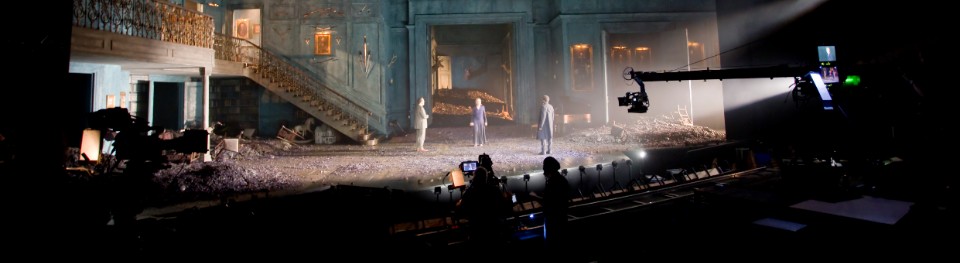
National Theatre NT Live theater (Photo source: official website)
The exhibition industry, such as Hannover Messe in Germany, has moved some exhibitions related to digital technology online in the past two years, and has made a lot of digital contents and digital experiences to communicate through digital tools, so that people can still grasp the advantages and disadvantages of the products even if they can't touch the products in a foreign place; there are also exhibition companies that have launched off-site exhibitions with the layout of satellite exhibition venues and the cooperation of small exhibition venues in other cities to realize the "what you see is what you get" through holographic projection, thus gaining the recognition of the exhibitors, and then the orders. The holographic projection can make what you see is what you get, which will help you gain recognition and further place orders.
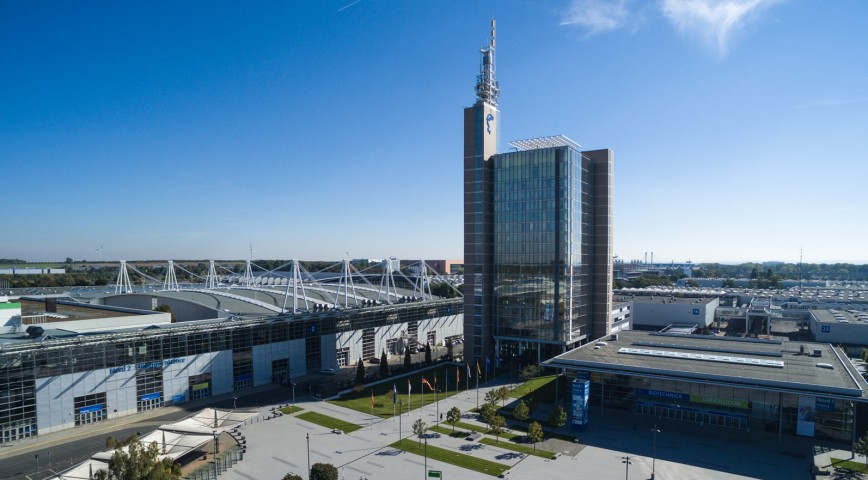
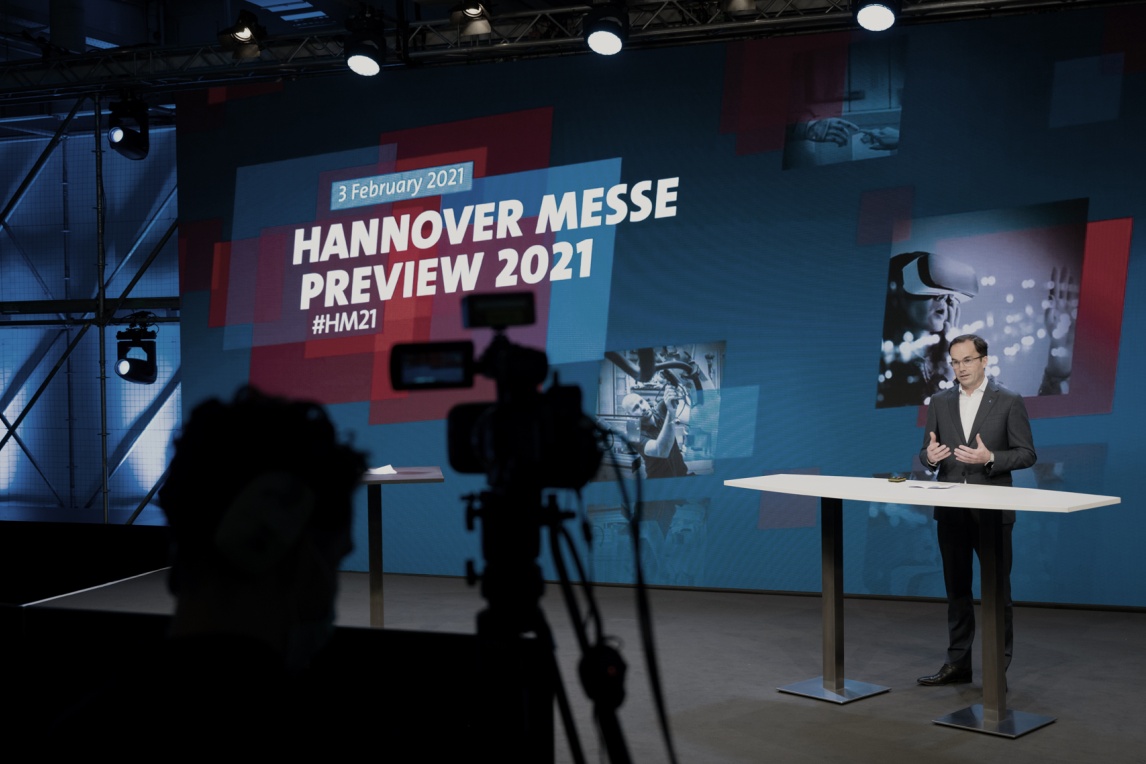
Deutsche Messe Hannover (Source: Official Website)
Transformation is about making people's lives easier.
Jules:Brands exist because of people, profit maximization will be the driving force, while the original intention of the digital transformation is to make people's lives more convenient and visionary. The common spirit lies in the insight of what the target audience wants, finding the intersection with what the brand can offer, and delivering the message in a way that the other party can receive it.
Diane:Technology is introduced to help people make better decisions, or to reduce the friction of making decisions. Nowadays, technology is mostly used to gain people's attention, and some products allow people to make some decisions through subtle reminders. In addition, after the introduction of many digital services, we have overlooked the fact that many people are still living in the physical world and do not have digital tools to access digital services. As a designer of products and services, we should think carefully when using digital technology, how to use technology to practice subtraction and help our clients to live a simpler life, but we also need to think about digital fallout, and be inclusive of those who do not have a digital device.
How can we introduce digital tools, create corporate competitiveness, and accumulate brand value?
Feel free to chat with us!