
Insight
How to increase brand visibility through design accuracy?

When it comes to how to increase brand visibility, you've heard a variety of arguments and opinions. Whether it's through focused business strategies, digital media or various marketing organizations, or catching up with current design trends, all of these approaches are actually correct. In fact, in the world of branding, there is no such thing as a "one-trick pony" - as long as you focus on the current situation and utilize the right strategy, you can make a big difference with a small amount of money, and do more with less.
Accuracy in brand design or construction is the key to successful brand enhancement.。
Step 1 Brand analysis & strategy development, confirm brand direction and positioning.
EPILEDS YEH said that in the first week after signing a contract with a corporate client, the Process team will take the lead in conducting a market analysis to study the industry type and the main trends in design, and to understand the core competitiveness and selling points of the enterprise in the industry. Then we will analyze the data, including the regional differences of the relevant industries, the correlation between branding and marketing, color weighting, graphic analysis, etc., which will help us to build up the theoretical basis of the concept in the future.
In the early stage of brand building, the designer will clearly understand the brand positioning and spirit, business aspirations, target consumers and other strategies to help model the commercial performance of the brand in the brain, and give the client the most appropriate suggestions. This process also compares with the market analysis to help the brand differentiate itself from its competitors, gradually narrowing the gap between the enterprise and the designers, and establishing a mindset that focuses on "brand power". EPILEDS YEH points out.
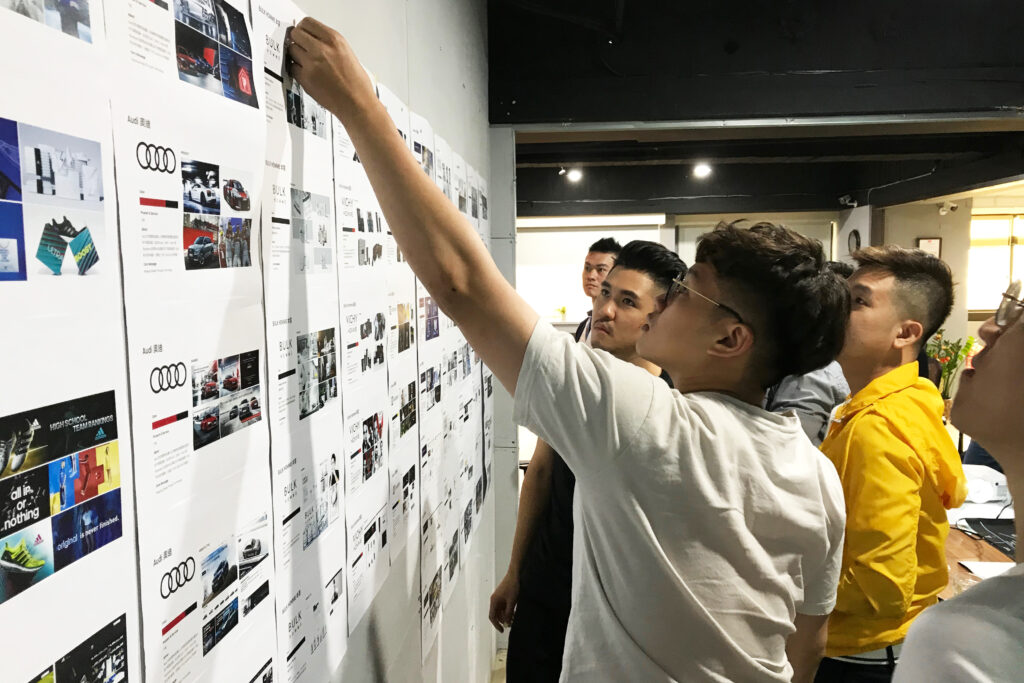
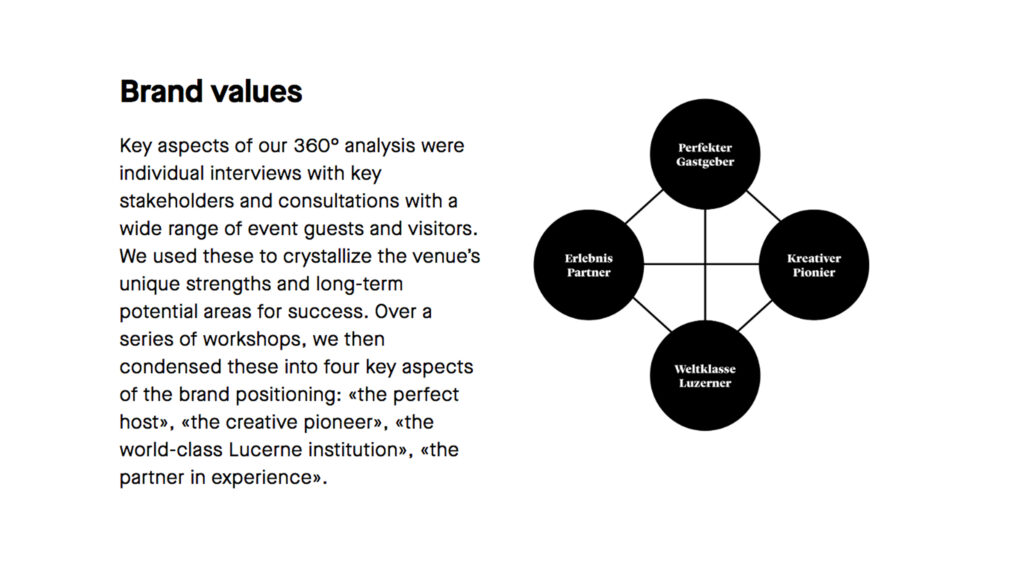
Through the Brand Consensus, Puro uses symbolic elements to guide the client step by step to develop the core values of the brand, which helps to establish the direction of the brand design.
Step 2 Find your brand's unique sensory codes
Prior to design development, clients often have a vague and abstract idea of what they want their brand to look like. There are many ways to develop a brand, but generally speaking, "graphic communication" is the easiest way for the public to express their thoughts. Therefore, Process will use the occasion of the design consensus meeting to select various "sensory code elements" by means of graphic cards for the client to have an in-depth discussion and focus on them, so as to help the brand to find the future contours. From the discussion process of the workshop, on one hand, we can find out the client's likes and dislikes, and on the other hand, we can also gradually build up a consensus on the visual preferences of both parties, which is very important for establishing the direction of the brand's design in the future.
The elements of such sensory codes are quite diversified, including people, environment, light, material, color, shape, object, sound, taste, etc. Through constant comparison and discussion, we can examine the client's brand design positioning one by one. EPILEDS YEH believes that through the guidance of sensory codes, it can help companies find their own brand logic, and not to flow into the same performance in the market.
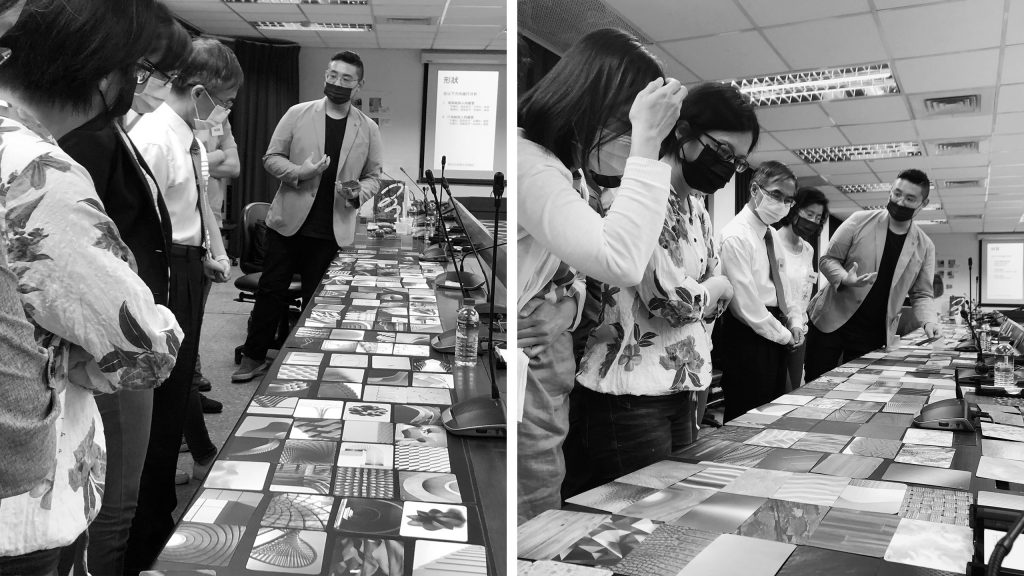
The ProcessPro team assisted the Bank of Taiwan with a workshop to help the company find its own brand logic.
Step 3 Brand experience determines the design development curve.
EPILEDS YEH said that the first two steps are the front-end strategy, just like the story script of a movie; the next back-end design is the production team, which presents the drama in a visualized way. In addition, the purpose of design is to help brands communicate with their customers, and it is by considering the brand experience and the needs of the touchpoints that the development of the design can be determined. Before developing a brand design, it is important to accurately summarize the needs of the brand experience:
1. Branded communication media applicationsEach brand has different needs for media communication according to the needs of the industry and strategy, including websites, social media, brochures, videos, stores and other online and offline needs. Before designing, a brand must take stock of the future media environment and understand the form and performance needed to communicate with end customers.
2. Brand management and maintenance mechanismIn order to develop an identity system (including visual graphics, colors, fonts, illustrations, typography and other elements) under the form of media communication mentioned above, Process will discuss with the brand maintenance unit the management and maintenance mechanism, including the frequency of media application updates? What is the development of the product line? Is there a designer in the team? ...etc., to create an appropriate brand logic structure based on the premise of user management requirements.


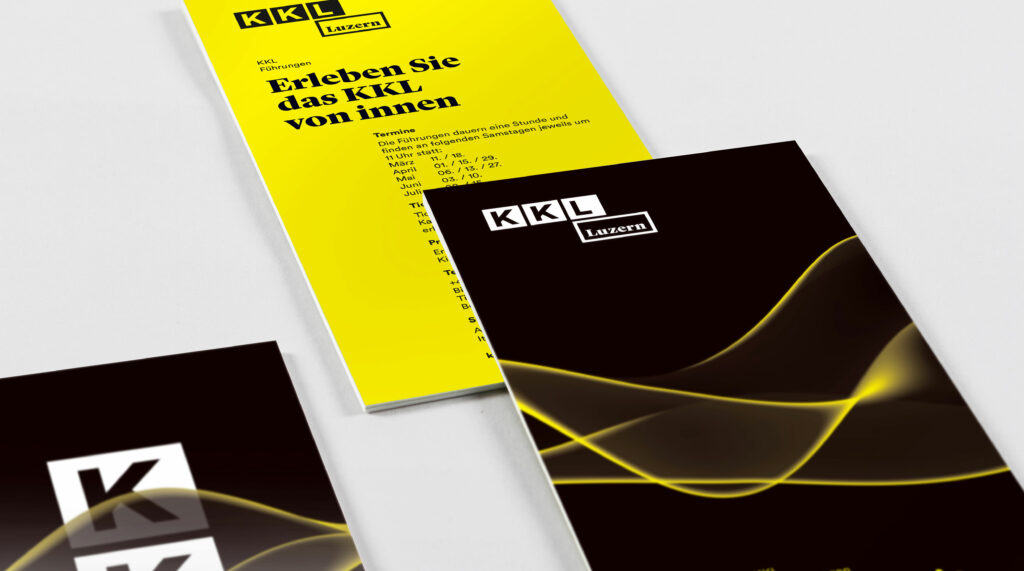
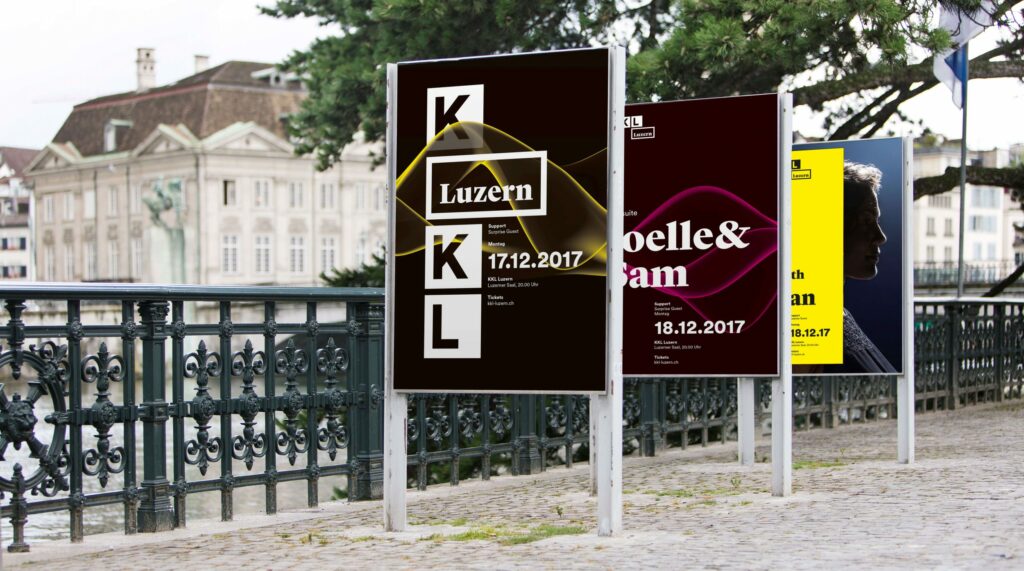

Prosperity assisted KKL Luzerm in identifying the brand's core values, and presented the design content in a digital environment with the theme of "Waves of Inspiration," which is a timely sense of mobility that allows audiences to feel the visualization of the real-time rhythm of the music. Following the logical development of the brand, the overall design adopts a modular and flexible design structure from the beginning of the logo in order to be applied to all touch points, from the graphic design, video, website and even the use of architectural space, all of which have a consistent theme concept to match the brand positioning.
Behind strong brand concepts usually lie great beliefs.
Through the power of precision design, you can help brands do just that.
[Case Sharing]
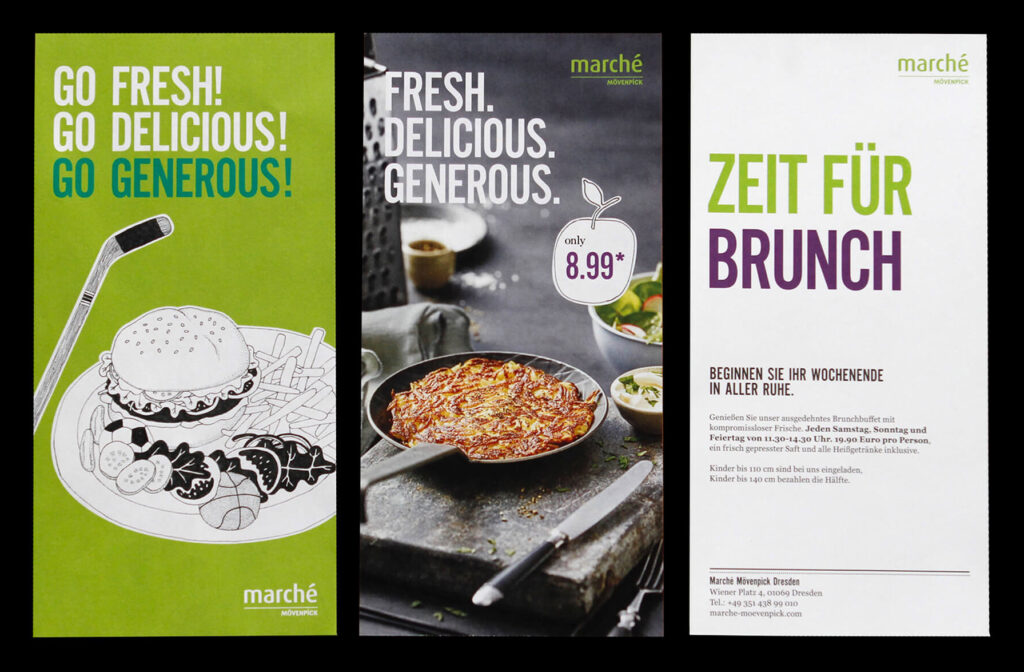
The Swiss restaurant chain has partnered with Pro to develop the positioning of the Marché Mövenpick food service concept. Marché's existing values are reinforced by the Movenpick concept, a new brand focused on pleasure and refined sensations. The new Marché Mövenpick logo, hand-drawn illustrations by Swedish artist Klas Herbert, weave together the brand's new look. From the menu board, to the table menu, to the packaging, to the coffee cups - the simple black lines are always present, and in collaboration with photographer Klaus Einwanger, the colorful food images convey the grandeur, sophistication and market freshness of Marché Mövenpick's cuisine. At the same time, playful elements such as Klas Herbert's illustrations emphasize the “artisanal” feel.
Read the full case:Marché Mövenpick