
Interview
Business Model Transformation: From Unidirectional to Circular
[Article reprinted from BMI - The Strategy.Click here for the original article】
The COVID-19 crisis that is currently ravaging the world has had a significant impact on our lives and has led to rapid changes in business models, proving the importance of business model innovation. And recycling is a great way for companies to address the growing global environmental problems.
The cycle we are talking about here is the "recycling of valuable resources". Recycling refers to making the best use of product resources, recycling them when they reach the end of their life and creating new value. At the same time, it minimizes waste and negative impacts on the environment. This is the business model we hope to see in the future.
Where does circular transformation come from?
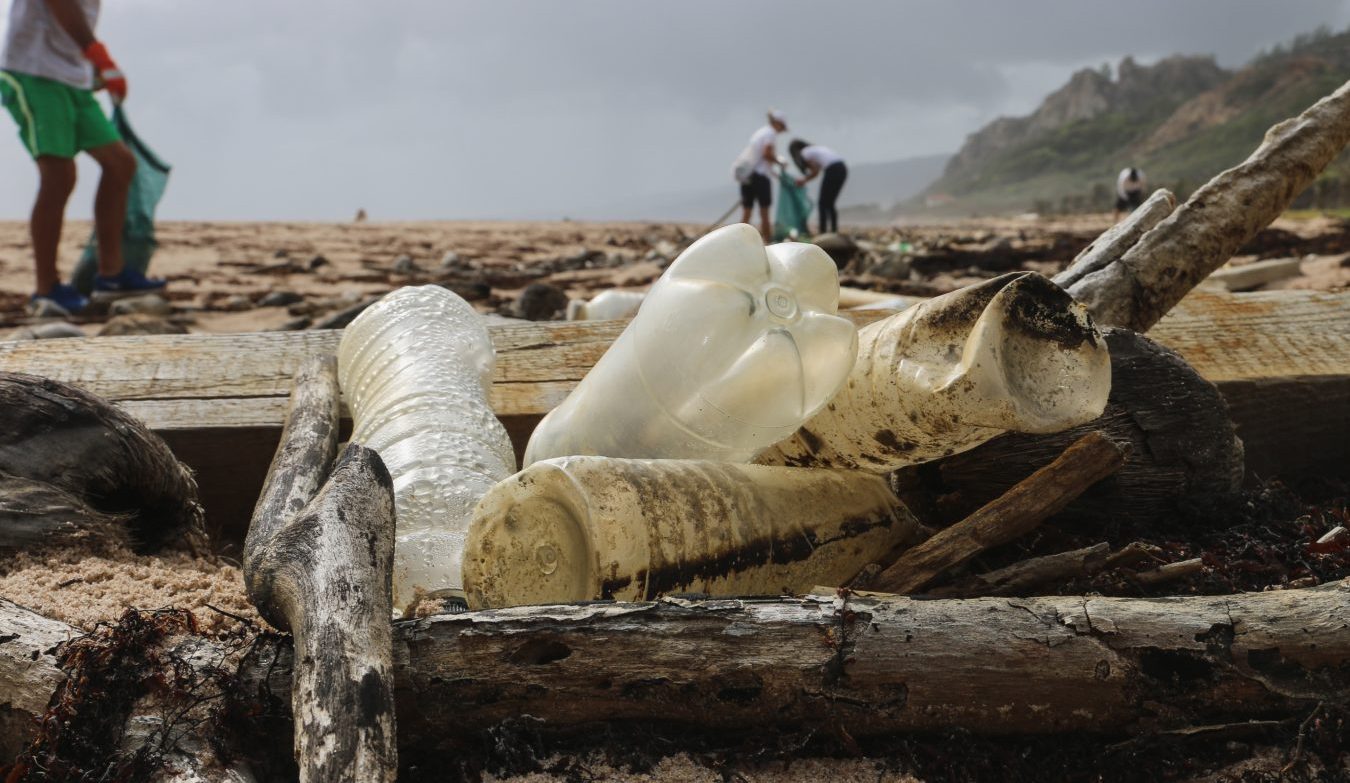
A panicked seahorse with a cotton swab rolled up in its tail; disposable masks washed by the sea onto an otherwise clean beach. We've all seen these pictures of environmental pollution before, and we're all part of the crime of polluting the environment.
Human beings rely on many disposable consumables and goods made from poor quality materials for their daily lives. Demand leads to supply, and these companies are often short-sighted and produce products using a linear business model.
We have become so accustomed to many of the things in our lives that we have lost sight of the impact they may have on the environment. Businesses extract resources, make goods, and sell consumers what they desperately need.
And because most of a company's revenue depends on the number of products it sells, a company that adopts a linear business model will do everything it can to increase its profits.
Most of the time, the practice is to move production to developing countries where labor is much cheaper and regulations are less stringent than in the West.
Circularization Transformation Case: Patagonia
Unrestricted production has led to serious environmental problems, which is why Patagonia, one of America's leading outdoor apparel brands, is committed to recycling in order to promote sustainability and recycling.
Patagonia not only creates durable apparel for those who oppose luxury shopping, but also offers repair and recycling services to help its apparel products last longer.
If your Patagonia sweater is accidentally torn, you can repair it yourself using the do-it-yourself repair kit and instruction manual included with your purchase; if it's still not fixed, you can return it to Patagonia's largest in-house repair center in North America to save yourself the hassle of a repair and make your life easier.
Don't want your sweaters back, Patagonia offers a clothing recycling service whereby recycled clothing is refashioned and re-sold in the WornWear collection. And, of course, they're as clean as new. Unrepairable garments are disassembled and reconstructed for sale in the Patagonia ReCrafted Collection.
Does Patagonia recognize the negative environmental impact of large apparel brands? Absolutely, and while the core of Patagonia's business model is designed to address this issue, Patagonia is also well aware that scale is an essential force if it is to make a long-term positive difference. And Patagonia is taking significant steps to make that happen.
Article Reading:Patagonia: Beginning with Nature, Ending with Nature | The Importance of Mission Vision to Brand Values
New Thinking
More and more companies are moving towards a circular business model, and you'll find examples of other great companies below, as well as an in-depth look at their stories in our new book:
-Nike, the corporate mission is to realize a zero carbon and zero waste business model.
-Signify, applying the circular business model to lighting as a service.
-Interface, recognizes the harm that corporations do to the environment and is committed to reducing its environmental impact to zero.
By reducing waste and minimizing the environmental footprint, circular transformation can help to implement resource recycling. Unlike the "use it or lose it" product model, the circular business model strives to maximize the life of the product, and this concept is implemented from the product development stage.
In addition, many of our customers care about how they impact climate change and the environment, and want to support companies that share their vision. By following in the footsteps of companies and contributing to change, customers feel empowered. They also realize that their participation creates a larger force that can influence large industries and, ultimately, the world.
About BMI・Strategy
Business Models Inc is a global, locally-operated strategic design consultancy specializing in business model innovation and service design. We help corporations and start-ups develop sustainable, innovative business models through customized projects to achieve leadership in a rapidly changing world.
BMI-Fangliao has two best-selling books
Produced by Patrick van der Pijl, CEO and Founder of BMI - The Business Model Generation, the book has been translated into 36 languages around the world and has been recognized by USA Today as one of the 12 best business books of all time.
Design a Better Business is a new tool, skill, and mindset for strategy and innovation. Applying design thinking to strategy and innovation, Design a Better Business takes readers from the initial idea to scaling their own business through a practical approach that has earned it the #1 spot on Amazon's Strategy New Releases list.