
Insight
Does a brand have to have a mascot? Using sensual characters to make your brand more appealing to the public
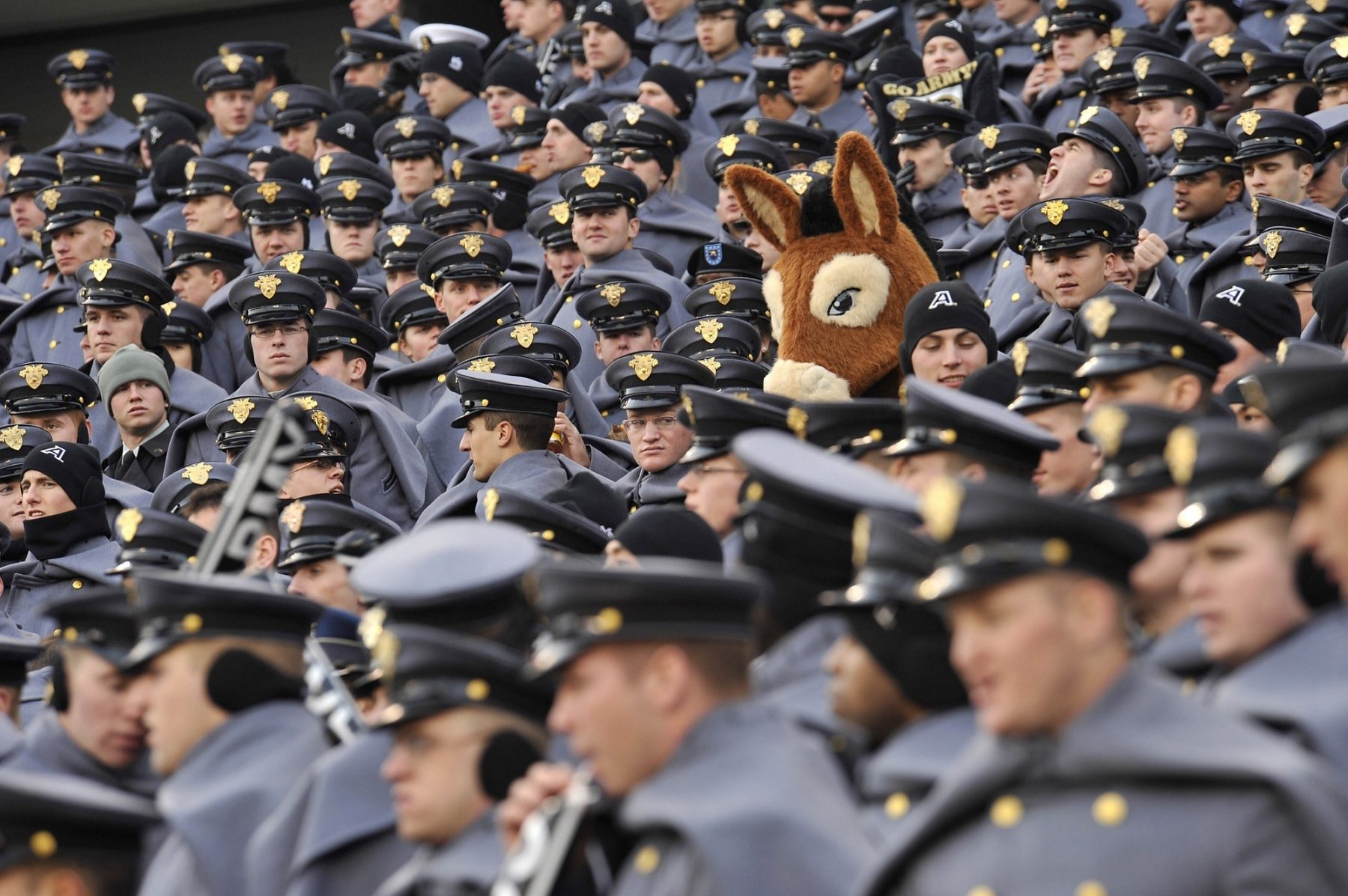
Every brand has its own voice. Elmer Wheeler, the world's greatest salesman in 1950, said, "Sell the sizzle, not the steak." This illustrates the importance of making the abstract tangible, just as a brand wants to attract consumers to create a moving brand story, and a company wants to attract job seekers to build an employer brand so that the external customer base can have a concrete image of it. The salesperson can't demonstrate the product's features in person. A salesperson cannot personally demonstrate the product's functions, but rather creates a visual image as much as possible, utilizing storytelling skills to make people yearn for the product, and value is created as a result. From this point of view, how to find a different way based on brand strategy, and how to create a brand's unique voice in a highly competitive business model is exactly where the task of creating a sensual character lies.
Enterprises often like to emphasize their technology and product quality, trying to communicate with consumers from a rational perspective, but it is often not easy to be digested. When I think back to when I was studying, the historical era and the corresponding events mentioned in the course were so hard to memorize that I was afraid to do so. However, describing them in the form of stories and characters not only stimulates the imagination, but also implanted them into our brain quickly. As Daryl Weber puts it in his book "Brand Fantasy", "The brain is mostly unconscious and subject to emotions, and most consumers base their decisions on brand impressions and feelings, so the unconscious associations of a brand are the very elements that make it a powerful brand". Therefore, by appealing to human emotions and intuition, the use of mascots becomes one of the tools for brands to interact with consumers.
Does a brand have to have a mascot?
Mascots are effective because they create a real and vibrant visual image for a brand, embodying the core values or corporate culture of the brand, bridging the gap between the brand and its customer base, and increasing the connectivity between the two, making them an excellent ambassador for the brand. However, even though mascots can bring many advantages to a brand, it does not mean that every brand needs one.
First of all, enterprises can follow the universal brand tree thinking, and think about whether the brand really needs a mascot while setting the foundation of the brand strategy.
Secondly, it is important to have a well-planned and comprehensive marketing program, and to have sufficient resources for long-term operation, so that the mascot can give full play to its energy.
It is recommended to follow Pro's 3 C's strategy - "Conciseness", "Consistency" and "Continuity" - to help the brand realize its full potential and complete the mascot's ultimate mission: to accumulate brand assets.
Article Reading:ProcessPro Brand Tree
In addition, we can observe the differences in communication habits between different regions in various industries. In the financial industry, Asian brands widely use mascots as brand communication tools, such as the Taishin Bank Richart dog, the Shanghai Bank Pukii pig, and the Jiekou Pay pig and aliens, etc. However, in Western countries, many brands use font size and thickness, unique brand colors, and flexible designs such as images and graphics to convey a distinctive brand image. However, in Western countries, many brands use font size and thickness, unique brand colors, and flexible design of images and graphics to convey a clear brand image, e.g., UBS, afterpay, splitit, etc. From this, it is clear that mascots are not a necessity. With a clear strategic foundation for the brand, the development of brand design elements can be utilized appropriately and can demonstrate the brand's charm.
What can a mascot do for a brand?
1. Complex or specific services
Mascots do not necessarily represent the entire brand, but may symbolize a product line, region, etc. For example, in 1980, McDonald's created Mac Tonight, a nighttime mascot with a moon head, sunglasses, and a piano, in an effort to increase dinner sales after 4 p.m., and the Kumamoto Bear in Kyushu, Japan, was created to promote the local economy following the opening of the Shinkansen line in the state. In addition, identifying characters may be created to convey a core idea. For example, WALRUS Oi pumps, from the trademark (logo) of the walrus, the spirit of the brand will be more three-dimensional, creating a strong and powerful walrus mascot.
In order to enhance consumers' brand awareness and experience, it is important to create a mascot that is "highly relevant" between the brand and its target audience, so that consumers can feel a sense of empathy, and it is not just any cute animal that can become a mascot. Mascots have the power to simplify the complexity of a brand by identifying its exact needs.
2. Inaccessible product image
Industries that are relatively rigid and neutral, such as the banking, industrial and information technology industries mentioned above. How to create a bright spot in the industry? How should brands interact with consumers? In addition to professional and innovative products and services, it is more important to be remembered and communicated in the marketplace.
WALRUS follows a clear brand line and uses the “walrus” to link its internal and external images, and through its mascot, it has successfully carved out its brand charm in the industry.
Taking WALRUS pumps as an example, it echoes the above mentioned: an identity created by focusing on one core idea. WALRUS pumps is a leading water pump brand in Taiwan, and WALRUS pumps has developed the symbol "walrus" in the logo into a mascot to be used in brand communication, which is similar to the Michelin tires. The "Walrus" lives in a harsh environment, facing cold weather and limited food, but still survives and dominates the waters without fear, symbolizing WALRUS' spirit of challenging limits and never giving up.

The mascot, the walrus, serves as the brand's internal and external communication character. Through the role-playing of the walrus, with different facial expressions and body movements, the mascot demonstrates Dai-Ichi's brand personality of "Trustworthy, Powerful, and Friendly".
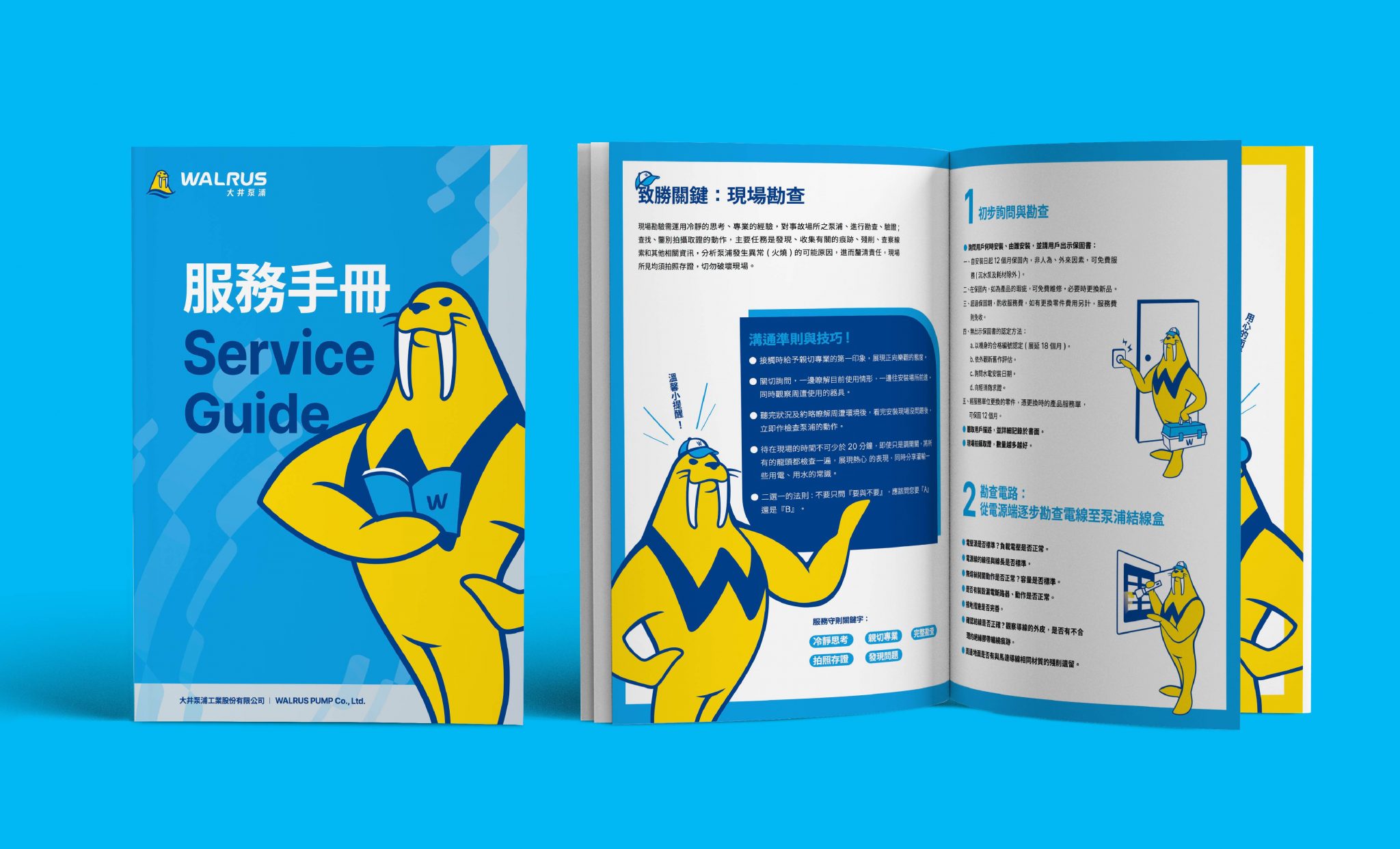
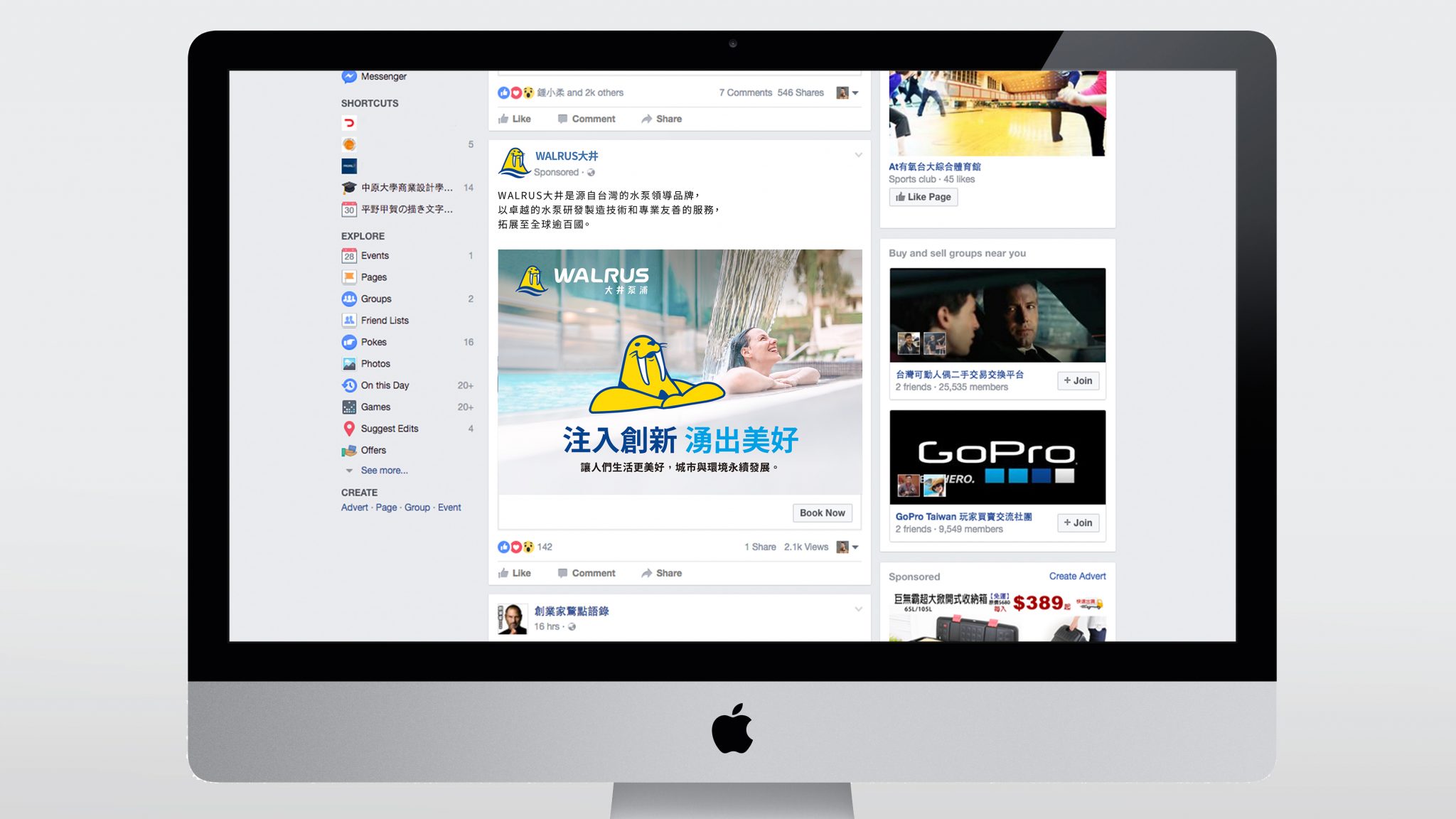
For the water pump industry, there is no lack of professional brand identity image, WALRUS Oi pumps in the many brand visual unique, in addition to products and services, the use of approachable mascot, not only to enhance the brand visual recognition, but also to allow consumers to get closer to the brand.