
Interview
Interview with Process General Manager: What should we pay attention to when revamping our brand image?
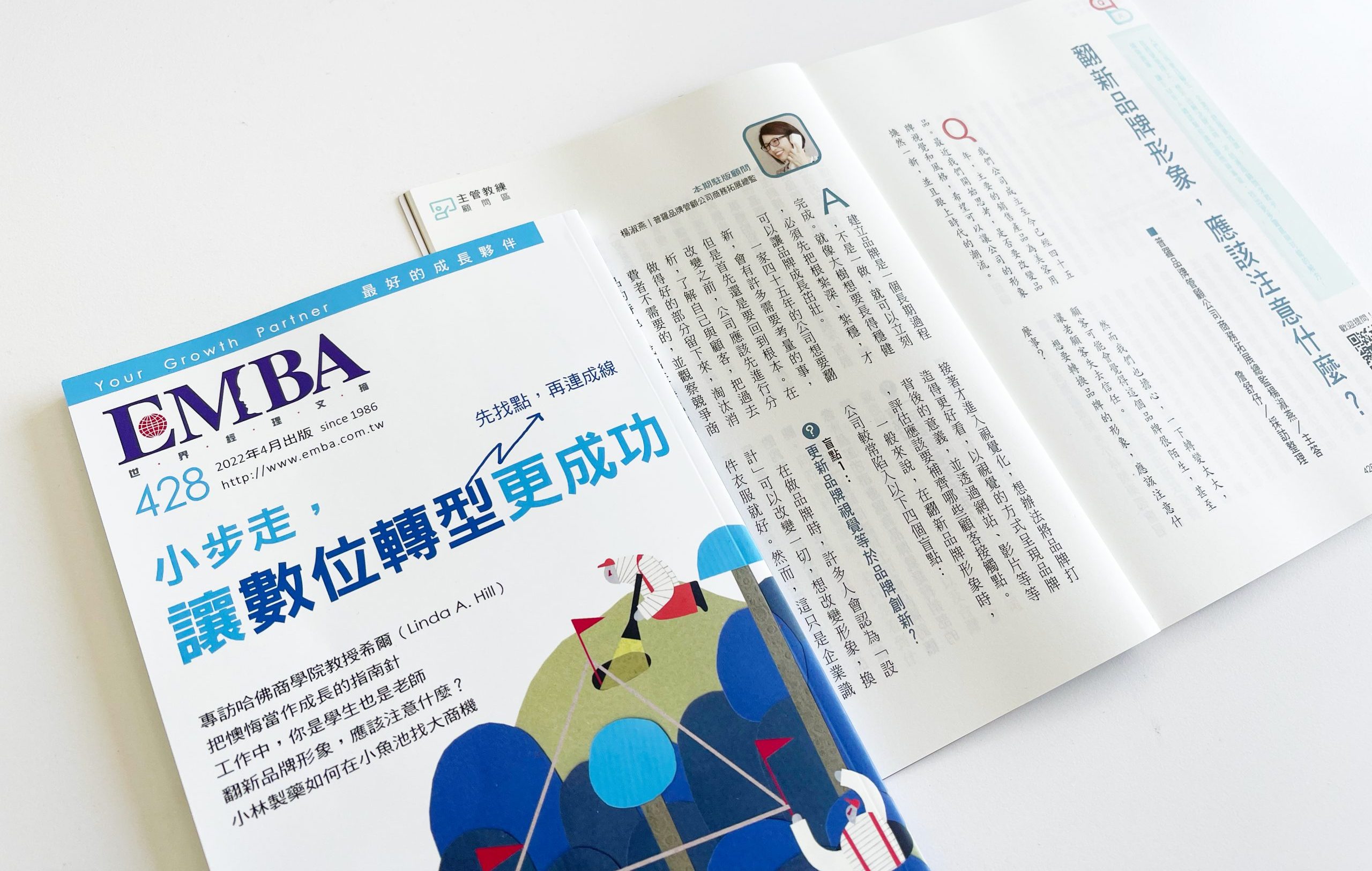
EMBA Magazine Report] Please click here for the original article.
A few days ago, Sue Yeung, General Manager of Process, was honored to be interviewed by EMBA World Manager's Digest on how to renovate an old brand. Many brands that have been established for more than 10 years will reconsider changing the design style of the brand in order to keep up with the trend of the times, in the hope that the corporate image will be revitalized, but at the same time, they are also worried about the sudden changes and the sense of strangeness, which will lead to the loss of trust from their original customers. Manager Yang believes that building a brand is a long-term process, just like planting a tree, you need to put down deep and solid roots for the brand to grow and thrive. A company that has been in business for 45 years and wants to revitalize its brand image does have a lot of things to consider, but first and foremost, you need to go back to the basics.
The following is the content of the interview:
Q: Our company has been established for 45 years and our main products are beauty products. Recently, we started to think about whether we should change our brand vision and style, hoping to refresh our company's image and keep up with the trend of the times. However, we are also worried that if we change too much, customers may find the brand unfamiliar and may even lose the trust of old customers. What should we pay attention to if we want to change our brand image?
A: Building a brand is a long-term process, not something that can be accomplished immediately. Just like a tree that wants to grow steadily, it must first put down deep and solid roots before the brand can grow and thrive.
There are many things to consider when a company of 45 years wants to renovate, but the first thing to do is to go back to the basics. Before making changes, a company should conduct an analysis to understand itself and its customers, keep what it has done well in the past, eliminate what consumers don't want, and look at the characteristics of competing products to find a direction of differentiation.
After that, the company then develops an updated strategy, thinking about what direction the brand is expected to go in the next five to ten years. Then we move on to visualization, trying to make the brand look better, presenting the meaning behind the brand visually, and evaluating which customer touch points should be filled in through the website, videos, etc. We are also looking for ways to make the brand more visible.
Generally speaking, there are four blind spots that companies more often fall into when refurbishing their brand image:
Blind Spot 1: Does updating brand vision mean brand innovation?
When it comes to branding, many people think that "design" can change everything. If you want to change your image, just change your clothes. However, this is only the Visual Identity in the Corporate Identity System (CIS).
A brand is not just a logo design, but the overall impression that customers have of a company. Every touch point, such as the customer service line, sales website, and marketing staff, is part of the branding process. Therefore, if you want to revitalize your company, you should take into account the other two components of your corporate identity system, Mind Identity and Behavior Identity. Companies can start with the mindset of creating a Total Brand Management concept, so that team members can understand that to change a brand, it should not be seen from the design alone, but rather from the inside out.
Cypress, for example, has always been a foundry, but the company has found that a lot of the initiative is actually in the hands of brand owners. For example, brand owners can choose a cheaper OEM by comparing prices; or, being an OEM often prevents them from obtaining first-hand information on the market, which makes the company less competitive. In order to make the company's development more stable, the chairman decided to transform into his own brand. However, branding is a long-term matter. In order to let all employees have the concept of CIS, the company carried out a three-year deployment, starting with internal promotion in the first year, and arranging education and training for employees in the second year to understand the content of branding. In the second year, we arranged education and training for employees to understand the brand. In the third year, we really started to do branding. By spending more time to let employees understand the concept of branding, employees will not think that branding is the responsibility of the marketing department or the boss's business.
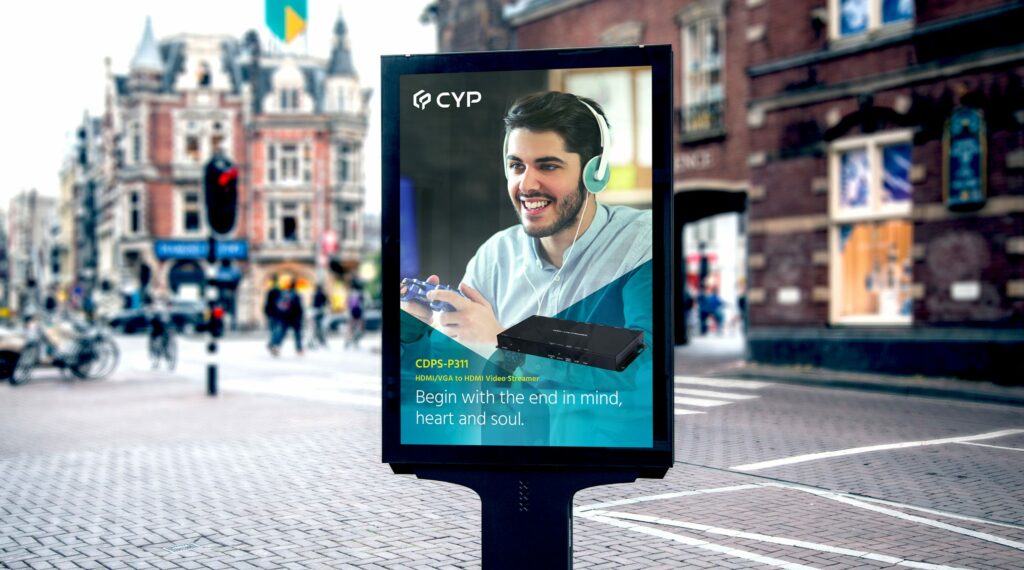
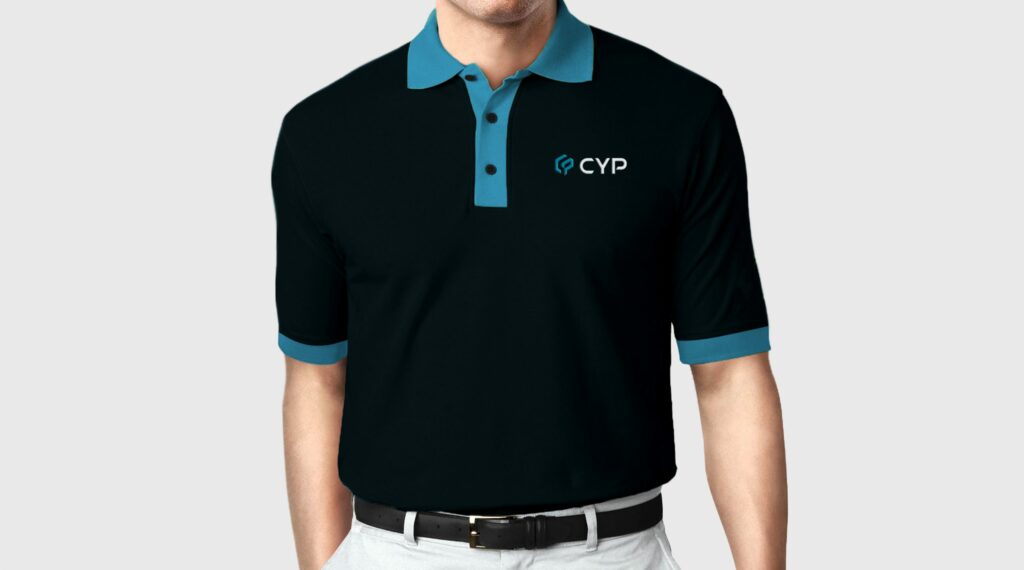
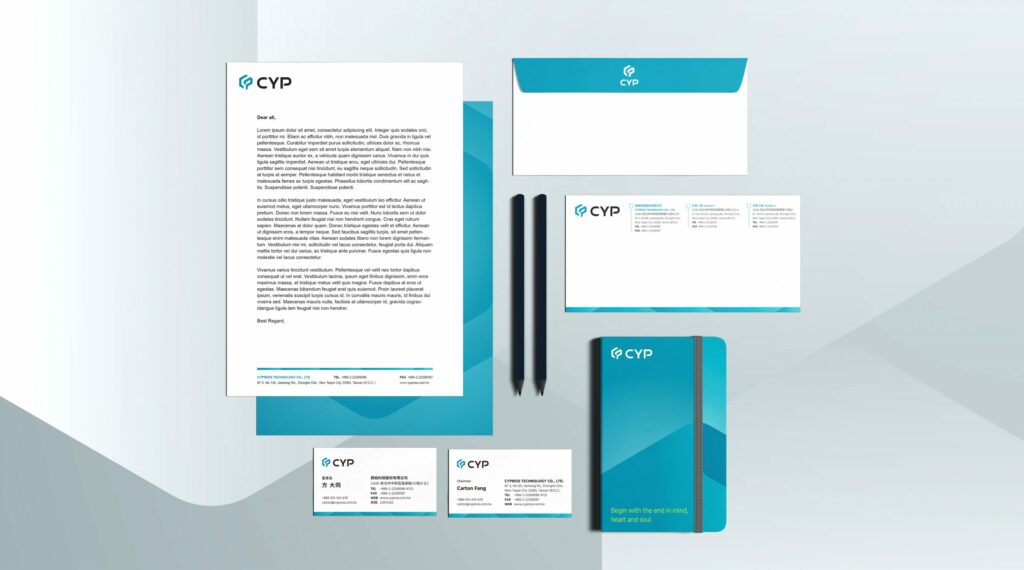

Case reading:CYP CYP Technology
Blind Spot 2: Must you follow the trends?
Some companies want to follow the trends and see what others are doing, but this may not be the right thing to do. For example, a company that specializes in men's grooming products is planning to enter the Southeast Asian market, so they are starting to think about whether they need to replace their current minimalist style with a colorful, colorful brand design to meet the market's needs. In fact, unless a product uses local ingredients or wants to emphasize cultural relevance, the entire strategy of a brand or even the presentation of the brand identity should not be changed because of a certain region.
Many international brands have not changed their brand identities, but have adopted styles that do not recognize national boundaries and are still loved by their customers. Instead of following what's popular now, a company should first find out the core values that the brand expects, and then create a brand identity by combining them with the current popular issues. If you keep following the trend and do whatever others are doing, your brand will lose its identity, and customers will think that there is no difference even if you change your brand.
Take Cuisinart's thermos bottles as an example. The company's core values are sustainability, innovation and caring. Based on these core values, the company combined with today's social issues to design thermos bottles that care for stray cats and dogs, as well as Taiwan's unique species of sika deer and black bears. This design is related to the company's core value and at the same time connected to the society. If we just do what we see and the people in charge of marketing are overwhelmed, the company will not be able to accumulate brand influence and consumers will not be able to feel the difference between the company and other brands.
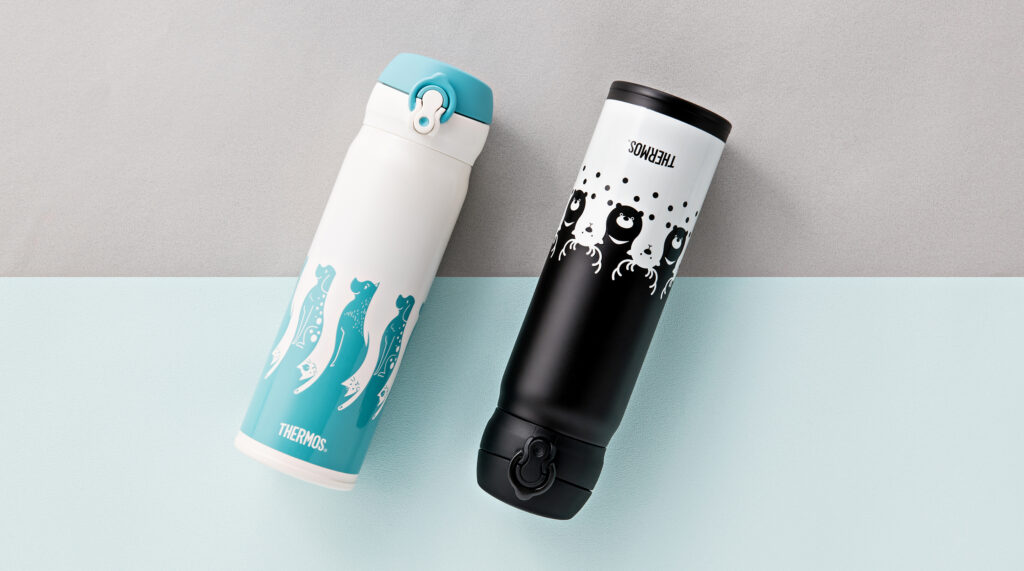
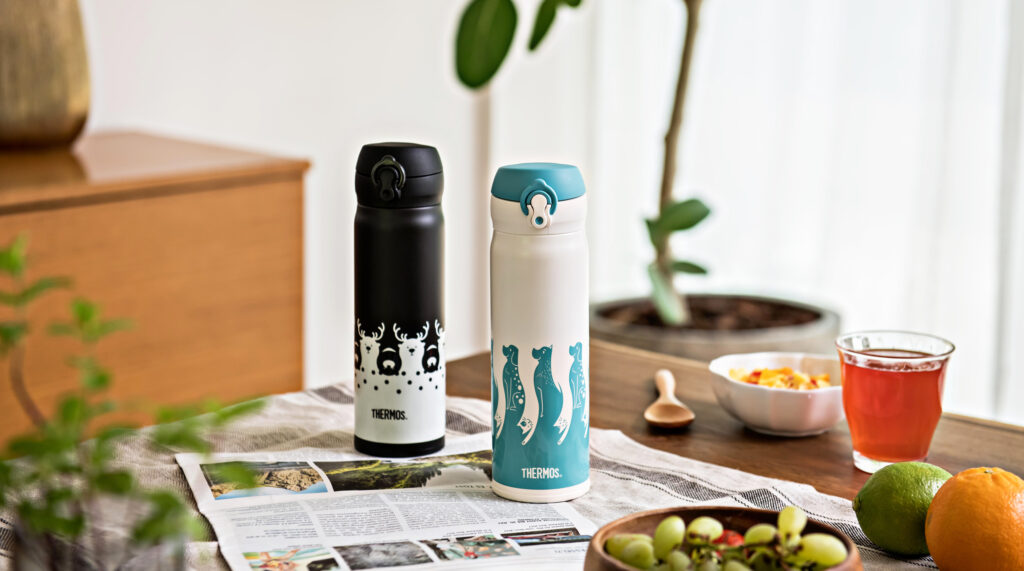
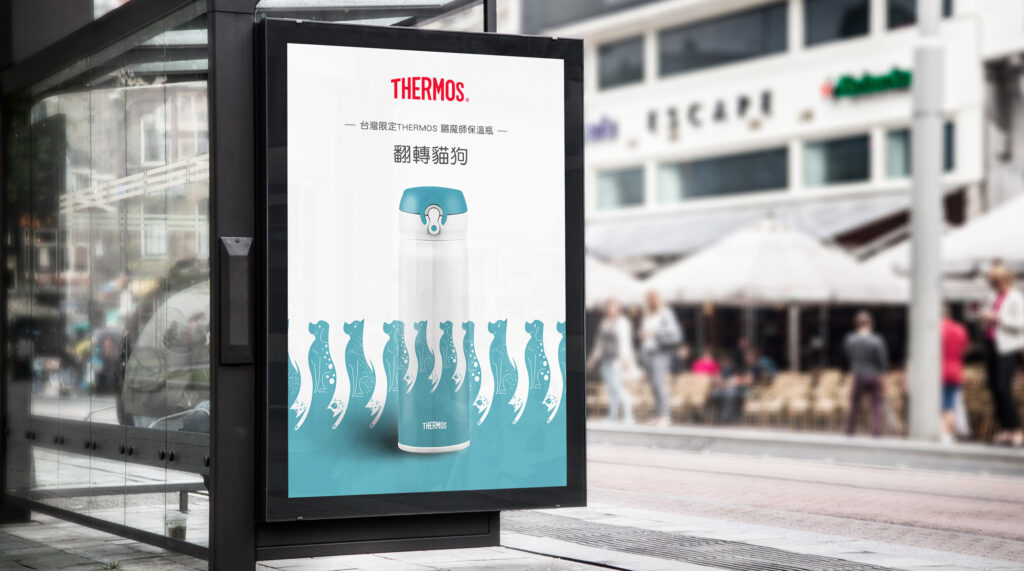

Case reading:THERMOS Cuisinart
Blind Spot 3: Change will lose customers, is it better to keep the status quo?
Some companies are afraid to step out of their comfort zone for fear that they might lose their regular customers if they change their brand. However, even if you don't change, it doesn't mean your customers won't change. Companies should talk to their customers regularly to see if their current preferences have changed and to see if there are opportunities to expand their customer base.
When expanding the customer base, a company can go back to who it is and what value proposition it wants to convey, and then based on this proposition, expand to different groups and find out what they care about. Brands can start from the same value proposition but change the angle of entry. Take the Allied Welfare Center as an example, the company started by focusing on affordability in order to attract housewives, but later they realized that young people would not go there to spend money.
In order to expand the customer base, the company developed the Allied Economy aesthetic, which emphasized that "going to Allied Economy can be very fashionable", and was accompanied by a variety of lively copywriting to attract young people to go and spend money. Subsequently, the company also launched the Allied Economy "Fitness" aesthetic, which focuses on fitness, and the "Home" economy aesthetic in the midst of the epidemic, using the same affordable proposition and switching to different entry points to attract different customer segments. After years of publicity, consumers will know that the company is still affordable, but with different themes to communicate with different consumers, expanding the customer base from mothers and mothers-in-law to young people, the elderly, and fitness men and women.
(Source: Allied Youtube Channel)
Blind Spot 4: Marketing is Branding?
Some companies may think that organizing an event, making the visuals beautiful and attracting consumers to buy is branding, however, these are only one part of marketing.
Marketing focuses on activities and promotions to attract consumers to make their first purchase, and is usually short-term in nature, while branding represents a value that creates a reason for people to keep buying, and therefore requires long-term deployment and planning.
What is the spirit of your brand? If you want to plant an apple tree today, do you have apple seedlings ready? Where are you going to plant them? Who are you going to sell it to? All these questions need to be clarified first, otherwise, it's just a waste of resources to invest a lot of time and cost, but fail to accumulate value and let the brand enter the hearts of customers.
Take Glass Studio + The POOL, the cafe of Spring Pond Glass next to the Hsinchu Zoo, as an example. The company focuses on sustainable environmental protection and the revitalization of traditional industries. The plates and stirring sticks in the café on the first floor are made of recyclable glass, and the second floor is set up as an exhibition area, inviting artists who share the same values to move in. What's special is that for a certain amount of money, the store will also give you a glass collector's badge, which you can choose to redeem for a glass stirring stick experience, or save it for your next discount. This allows customers to feel the value of the business as soon as they enter the workshop. As a company that specializes in glass recycling and reprocessing, we are a model for the circular economy, presenting a highly consistent brand experience from every point of contact.
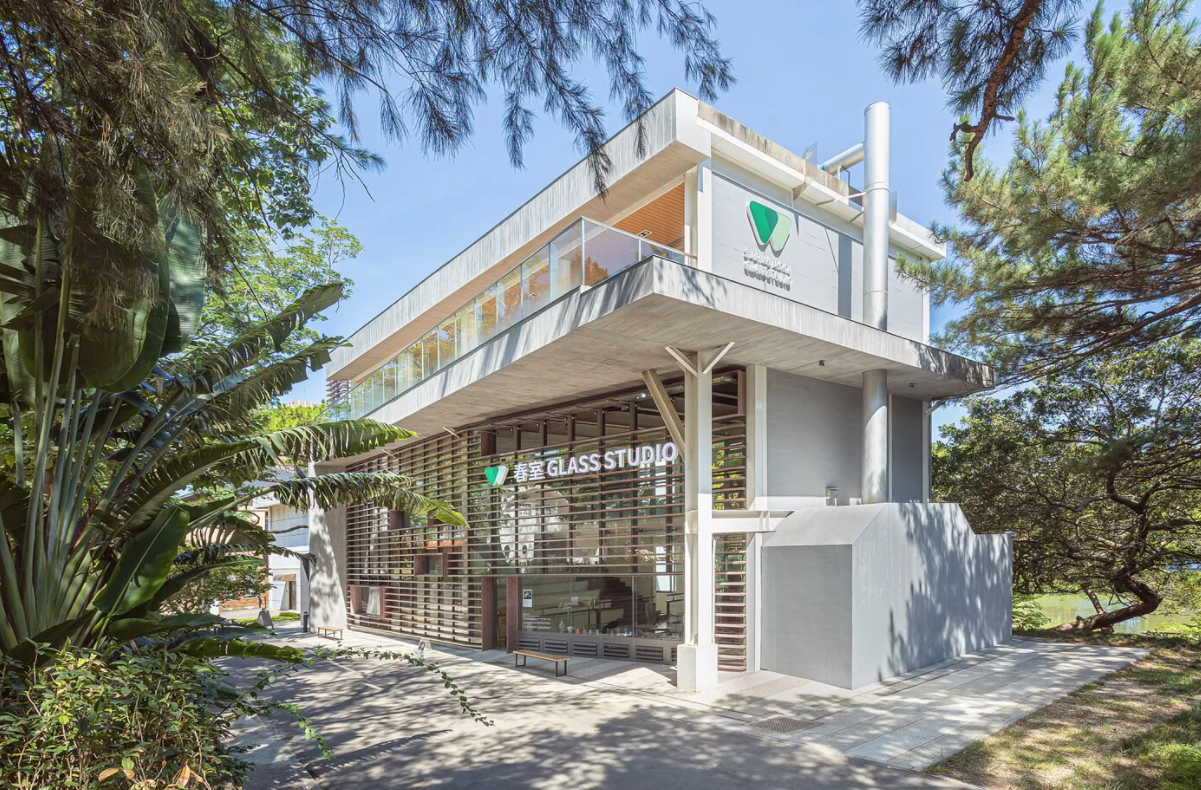
Article Reading:What is branding? Take a visit to The Pool at Spring Room as an example.
(Image source: Harumuro Glass Studio)
Making good use of the multi-dimensional pipeline of the digital era
In today's internet world, there are so many ways for customers to get in touch with a brand, companies should find ways to present their brand through different channels, and here are three ways to do it:
1. Make the brand the center of the media.Many brands use content marketing to promote the importance of the brand to their customers, letting them know what the brand can do for them and making them feel that they are not just buying a product, but are buying "value". Companies provide recognized values through their products and services, and customers pass on those values by purchasing products. Through content marketing, companies can provide customers with something deeper, such as the concept of a common good, rather than just the function of the product.
2. Flexible brand recognition.To revitalize the brand identity, for example, when designing the logo, it is important to echo the spirit of the company. Take Cypress as an example, the original meaning of the company's name is "pine and cypress", which means that the company hopes to operate sustainably, like a hundred years of pine and cypress. The logo also incorporates the element of a tree, and can be changed according to different media, through text, color, and other auxiliary graphics, but as long as you see it, you can still know that it is Cypress Technology.
3. Introduce the digital experience.It's also a way for brands to refurbish. For example, Ikea wants to create a better life for its customers in the future. The company has added an augmented reality (AR) function to its app, so that customers don't have to think out of the box, and can directly place virtual furniture at home for comparison, without having to worry about returning or exchanging goods if the size doesn't match. More importantly, the company is not doing it for the sake of doing it, but it can really help customers to solve problems in their lives, and it is also closely related to the theme of "Good Life".
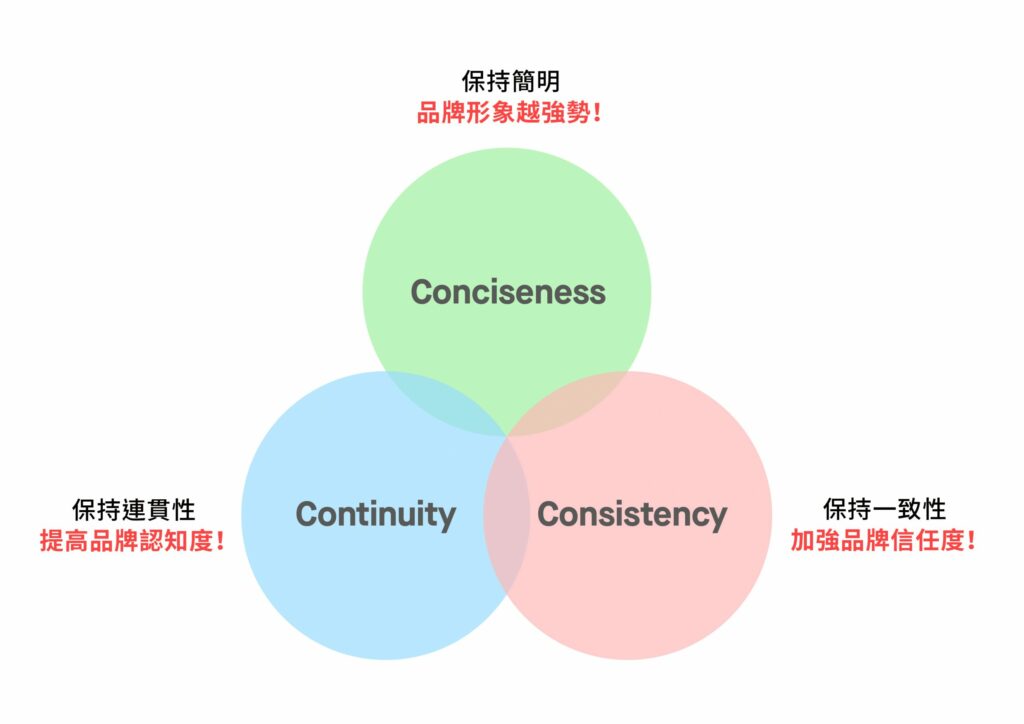
Finally, companies can also apply the 3C principle to simply review the effectiveness of their brands.
Conciseness: The more concise the message, the clearer the memory of the brand. If you list ten advantages at a time, customers will actually forget about them after seeing them. Instead, amplifying one or two of the advantages will make a deeper impression on people.
Continuity: Brands are built over time, and as time passes, your value proposition becomes clearer. Take Apple as an example, from the past to the present, the company has always followed a minimalist aesthetic style, and the famous slogan "Think Different" shows the company's determination to think out of the box, and it has been maintained in designing each and every product to this day.
● Consistency: The look of the brand should be consistent, whether online or offline, in or out of the country, e.g., there should be no color differences to avoid misunderstandings. For example, there should be no color difference to avoid misunderstanding. The color of the company's products in different countries should also be the same so that customers will not suspect that they have bought pirated copies, which may affect the brand's reputation.
Transforming a brand is not an easy task. The longer a company is in business, the more things it needs to think about, and most importantly, the company should come back to what value the brand wants to provide, and make it clear to its employees which direction it wants to go in next. Only then will the company have a chance to successfully transform itself and transform its brand.
Article Reading:ProcessPro Brand Tree
Consultant Reminder】Four key points for brand image renovation
1. not just change the visual appearance, but develop and change the brand from the inside out.
2. not to go with the flow, but to identify the core values of the brand.
3. Instead of staying within the comfort zone, we proactively look for changes in customers' preferences.
4. not to treat branding as short-term marketing, but to develop the value of long-term purchases.
Ready to revamp your brand image? Come and talk to us!