Insight
Branding? Marketing? Big Difference

Talk about the connection and difference between branding and marketing.
We all know that branding and marketing are inextricably linked if a business is to grow, but the concepts of branding and marketing are widely used in practice, and there is even a lot of similarity or overlap between the two; the relationship between the two is like that of blood brothers, so close and yet so different. Therefore, it is extremely important for business owners to understand the differences and connections between the two, so that they can tailor their business to their needs and avoid common fallacies that may affect their profitability.
To put it in a nutshell, simply put.
"Branding is the foundation and prerequisite for marketing."

Brand Power is Competitiveness
Many companies may quickly gain a foothold in the market, but they lack corresponding core values and specific market positioning strategies. As time passes and competitors proliferate, they gradually lose their competitiveness in the market and are eliminated. Therefore, before the implementation of marketing activities, enterprises need to clarify the brand's own philosophy and unique value proposition, understand the relationship and differences between its products and other competitors in the market, and gain insight into the potential needs and preferences of the target group to establish the brand's market positioning, and marketing activities and communication strategy that is, under such a clear brand infrastructure, the creative conception of the content of the advertisements or activities, and targeting the media habits and life style of the target group. The marketing campaign and communication strategy is based on this clear brand foundation, creative ideas for advertisements or campaigns, and the planning and execution of media channels to maximize the benefits of brand promotion by focusing on the target group's media habits and life style. In fact, not only marketing, even the future business decisions made by enterprises will have to follow this value proposition and positioning for long-term planning and decision-making.
Brands = People
A good brand not only has a clear value proposition, but also clearly conveys its own tone and manner, personality and soul; just like a living human being, it has unique characteristics and values; for example, when you think of the sports brand Nike, the spirit and attitude of constant innovation, fearlessness, and the courage to challenge oneself (Just Do It) come to mind. For example, the sports brand Nike evokes the spirit and attitude of innovation, fearlessness, and the ability to challenge oneself (Just Do It), and this spirit and attitude was evident in the outdoor marketing campaign to celebrate Nike Air Max Day in Japan in March. When a brand's basic core values are clear, and different marketing techniques and creativity are used over a long period of time to continuously communicate its spiritual values, only then can the target group develop a favorable impression and memory of the brand, which in turn will build up loyalty and brand value.
(Source: Nike Japan's Air Max Day 3D Billboard)
Branding about "Who You Are"
Therefore, we can say that marketing activities are how to do (How), but the prerequisite is that the operator must know who he is (Who), what kind of spiritual attitude or values he attaches importance to, what kind of persistence he has for this enterprise (What), and why he wants to do this business (Why), so as to ensure consistency in the long-term external communication, establish consumer trust in the brand, and make the marketing budget more effective and beneficial to the long-term operation of the enterprise. This ensures consistency in long-term external communication, builds consumer trust in the brand, and facilitates the long-term operation of the business in terms of marketing budget. Many business owners want to solve marketing problems, but the truth is that dissatisfaction with slow profitability or sales growth is due to a deeper level of weak brand awareness.
Brands are emotional and rational
Branding is a discipline that cannot be separated from "experience" and "feeling". What you see, what you hear, what you touch or what you smell, etc., all of which can bring you feelings, are a part of branding, and logo design is only an introduction. Branding is like the facade of an enterprise, so that consumers have what kind of sensory perception and overall impression of you, so that you can be quickly recognized in the market.
While a brand creates an emotional connection with its target group, it also needs to evolve with the pulse of the customer base, and marketing is about communicating the right brand message (core values, personality, attitude) to attract your customers.
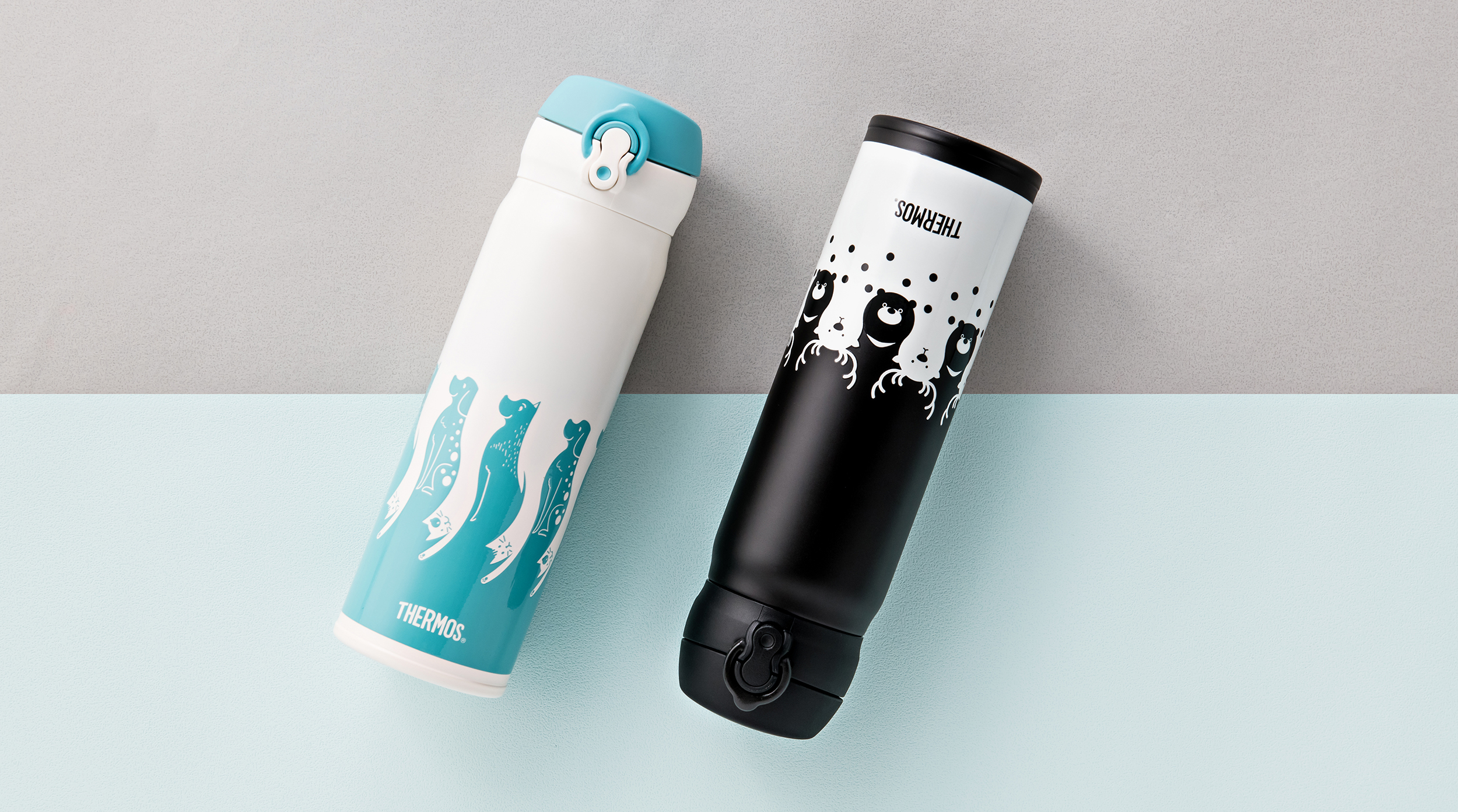
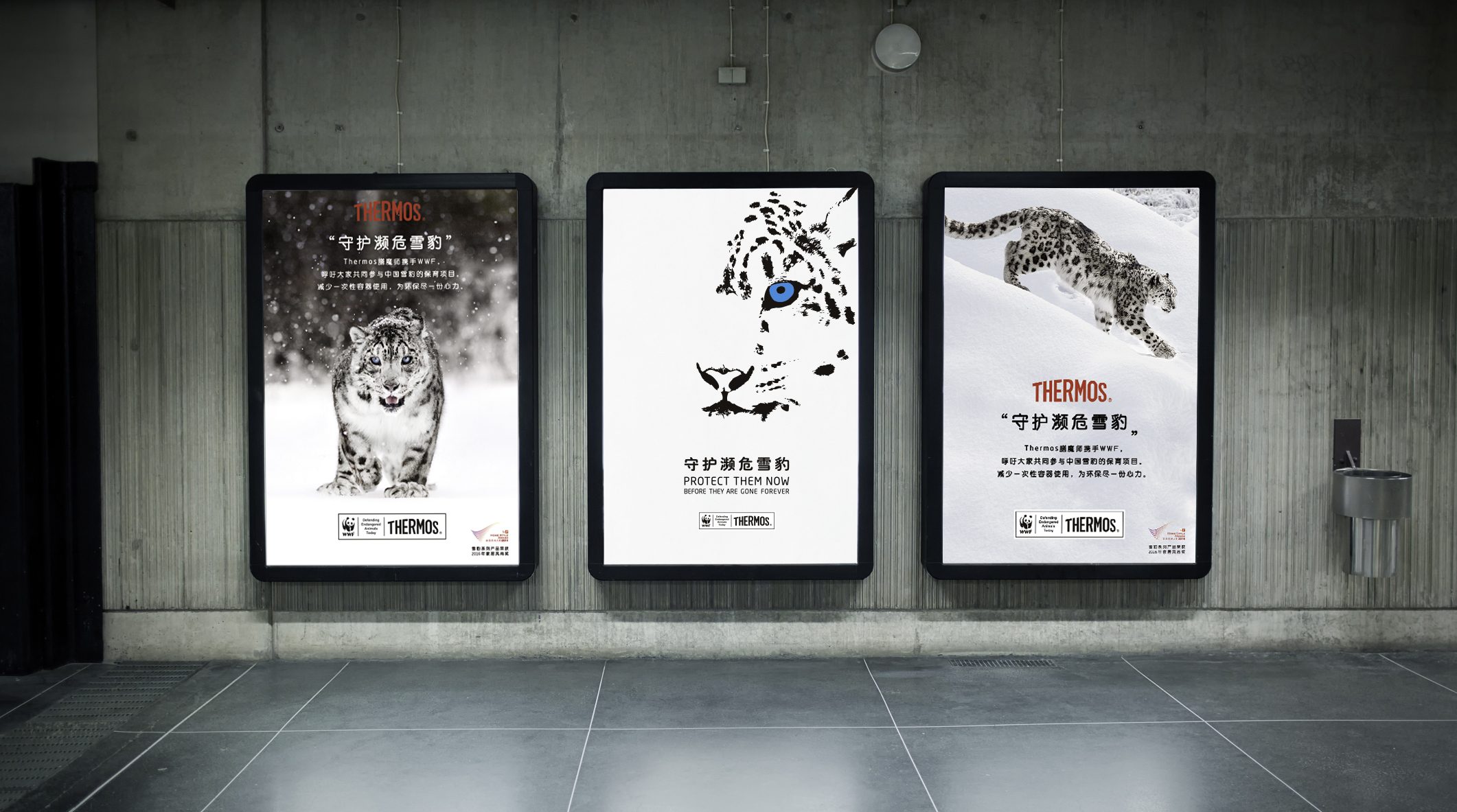
However, behind the seemingly abstract connection of brand emotion or meaning, there is actually a series of rational thinking and logical judgment. Taking THERMOS as an example, Process started from understanding its competitors in the market, and then conducted in-depth analyses and interviews with the target customers, and finally developed a complete concept of the brand tree, and followed this structure to develop relevant design themes under the vectors of "innovation" and "caring". The final concept of the brand tree is developed completely, and based on this structure, relevant design themes are developed in the context of "innovation" and "caring". Therefore"In order to make the large annual marketing budget more efficient, having a clear and well-defined brand structure and specification is a prerequisite."
Case Study: THERMOS Cuisinart