
Event
How can enterprises pre-empt the layout before entering foreign markets?

Whether they have successfully made a name for themselves in Taiwan and want to further expand internationally, or they have to start thinking about expanding into other markets in anticipation of a shrinking domestic market, what preparations should be made before entering a foreign market in order to win a good battle?
The theme of this branding salon seminar, "Branding Opportunities, Cross-border Opportunities", not only invited Martin Kessler, founder of Process Brand Group, and Jules Lee, former general manager of the Taiwan branch, but also invited David Lin, CEO of Kao Ching International, to inject a complete viewpoint into the seminar in an in-depth and simple way, but also pointed out the myths and mistakes that many business owners tend to make. He also pointed out the most common myths and mistakes that many business owners tend to make, explained how to build and enhance the brand power of enterprises, and explored the connotation and mystery of branding. In addition, it also provides practical tools and illustrates with successful cases in Taiwan and the world, teaching you how to choose international markets, grasp the advantages of entering the market, and effectively allocate operating resources.
Before the seminar, we asked David and Jules to share with us some real-life examples to illustrate the importance of branding for the success of international sales.
Entering a foreign market is like going out to meet someone, you can't just go out with your clothes half on.
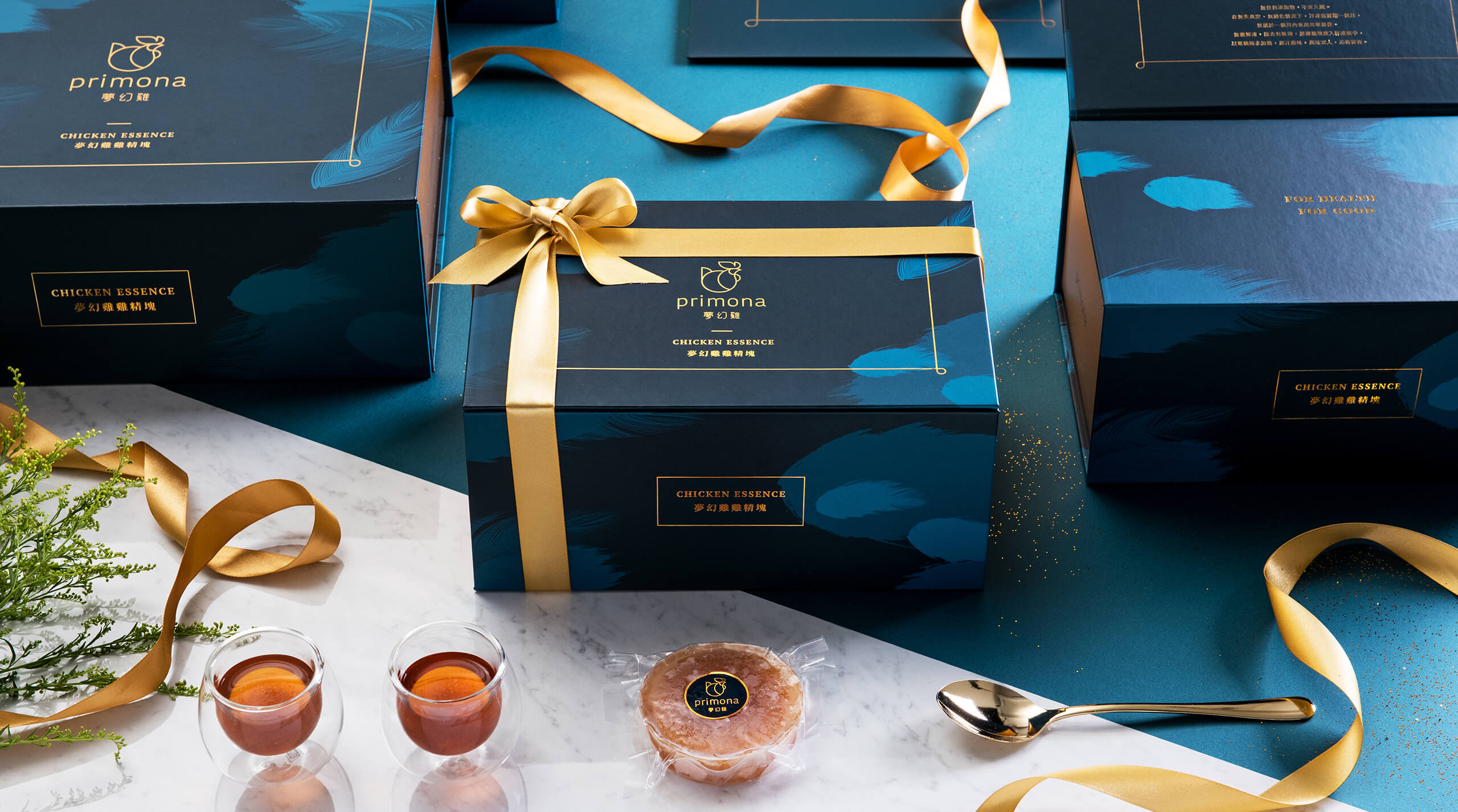
To move overseas, primona Dream Chicken has prepared the design and packaging for the brand identity.
Are you ready to go overseas?
David: Here are some of the most common problems we see when counseling companies entering the multinational market:
1. Fighting and walking
Many B2C companies want to sell their products to other countries through various online platforms and websites, but their approach is to take one step and then think of the next step, without a complete brand building plan, and the result of blindly burying themselves in their own work is either a constant problem, or a lack of competitiveness in the marketplace, which fails to achieve the expected sales results. Or some B2B companies, without serious selection to invite important customers, in a hurry to appear in the major foreign trade shows, build the booth visual consistency, location of the location has not been specially studied, the result is to spend a large amount of money to go abroad to participate in exhibitions, can bring back the order is very limited. All these are because the business owners are too impatient, just like wearing only half of the clothes want to go out to meet the customers, but ignored the first impression is often the key to determine the victory or defeat, especially many foreign customers are more cautious, they will even observe the same factory for many years before deciding whether or not they should be contacted. When consumers or customers can not leave a deep and favorable impression of you, and how will be willing to order?
2. not spending money that should be spent
Some entrepreneurs think that they can expand their market territory by copying the original successful model, and they are not willing to spend money on brand building or purchase useful tools. However, they neglect that in the Internet era, the product cycle is getting shorter and shorter, and global competition is getting more and more intense under the condition of information transparency. If they omit the product market development surveys, forget about foreign trademark registration and other kinds of steps and tools beforehand, they will probably miss the business opportunities. business opportunities. What's more, there is often only one opportunity, and if you miss it and then try to turn the situation around, you will not only get half the result with twice the effort, but your business may even go down the drain.
3. It's just OEM or ODM anyway, no need to do any branding.
Don't forget, even as an OEM or ODM, how can you stand out when facing global competitors? Marketing is holistic and Branding not only deepens the goodwill of customers externally, but also helps to improve the overall efficiency of internal communication and recognition of core values.

Mr. You-Cheng Lin (left), CEO of Kao Ching International Corporation, and Mr. Guo-Jung Lee (right), Taiwan Branch Office of Process Pro Brand, talked about overseas deployment and brand building.
Facing the impact of different cultures, should we adjust or persevere?
Jules: Many companies start their product development with a local cultural mindset, but when they go international, they are faced with different cultural acceptance considerations. For example, General Motors Chevrolet launched the Nova model, which was a hit in the U.S., but when it was marketed to Spanish-speaking countries such as Mexico, it was found that sales were not as good as expected, because Nova, which means "won't go" in Spanish, was not favored by consumers. After all, when dealing with overseas markets, the contact point is definitely not only the quality of the product itself. Therefore, when we help our clients to build their design brands, we need to communicate with them on how to make adjustments, and we even ask our Swiss head office or Shanghai branch to assist in conducting local response surveys, so as to help our clients understand the consumer culture of the countries in which they operate better.
David: We encourage companies to not only make good use of all kinds of tools in product development and design, but it is also best for all departments to join in the discussion, so that through the perspectives of different duties, ages and other levels, many subsequent problems can be avoided. For example, through the perspective of each country's business, we can understand the needs and preferences of customers in different markets; through the perspective of the logistics department, we can design packaging that more effectively utilizes shipping space and reduces logistics costs. When it comes to packaging, let me give you an example: Regarding the packaging of breakfast cereal, in Japan, consumers like to add beautiful carton packaging to the plastic bag packaging, which looks good; however, in the United States, mothers and mothers in charge of purchasing like to pick up the transparent packaging of cereal, turn it upside down, and look carefully at the amount of debris inside to determine whether the product is fresh enough to be purchased, whereas opaque packaging in the cardboard box does not allow for the contents to be seen, so many consumers prefer to purchase the product. The opaque packaging of the carton does not allow the contents to be seen, so many consumers would rather not buy it. This is the kind of information that is reported through local business field observations and even comparisons of other products, which shows that every small detail affects the sales performance in different markets.
Steady progress in overseas markets
Jules: As David said earlier, when a company wants to enter the overseas market, it not only needs to "put on the right clothes" but also "put on the right clothes" at the beginning. Branding is like a customized stylist who helps a company to create a unique and outstanding image.
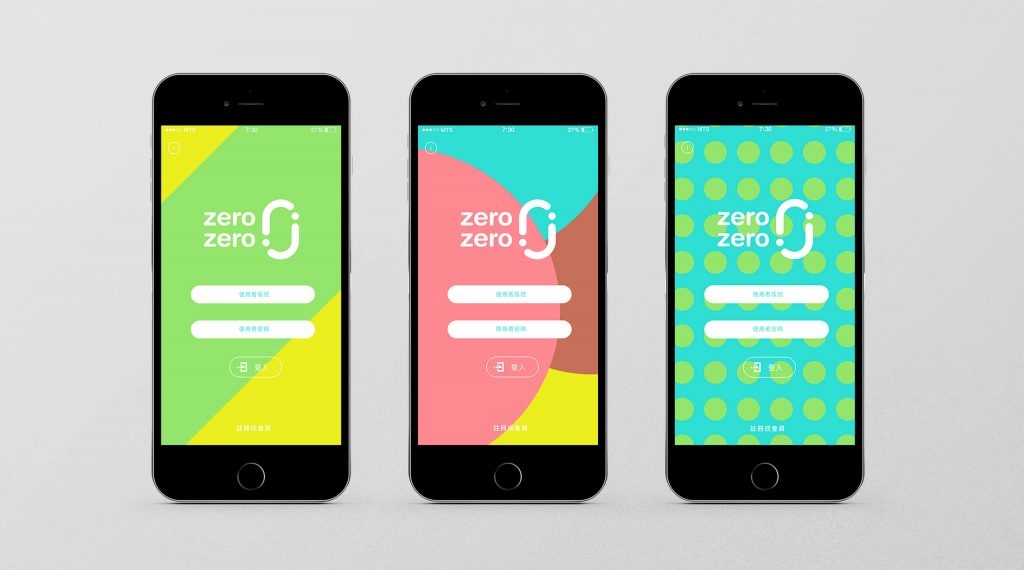
In terms of brand identity design, zero zero is presented in a style that can be understood internationally, laying a good foundation for the future expansion into overseas markets.
After the enterprise has laid the foundation of its business model, it will take over the execution of the strategy and identification analysis of competing and benchmark brands, deconstructing the key touchpoints in the customer experience journey, developing brand positioning and value proposition, brand naming, trademark design and registration, and then extending to the design, standardization and management of all applications to facilitate the design of back-end products, marketing operations and other aspects of the brand to ensure the consistency of brand image.
David: Enterprises can easily fall into the danger of blind development, so before the development of overseas markets, the basic homework includes exploring the enemy, pay attention to the first indicators, and even B2B enterprises, should control the current situation of the market terminal retail prices, etc., especially now many cross-border e-commerce platforms, if utilized, can become a tool to increase sales and reduce the pressure on warehousing, but it may also become a weapon for the opponent's attack. Weapons. For example, we have encountered a case in which a manufacturer set the price at $57, but found out that a businessman sold a large quantity of goods on eBay for only $18, which was a severe blow to the manufacturer. It's not easy to run a business, so we need to be steady in every step we take in order to gain a foothold in Taiwan and look at the world.
Jules: In this branding salon, we want to start with the branding blueprint and go all the way through to the market layout, showing how it is a systematic approach to maximize synergy.
David: Before entering overseas markets, business owners can save a lot of time and money by learning from others' experiences, and I will also introduce many easy-to-use tools in the branding salon and bring them to practical operation on site, so that all departments can easily get started and help enterprises win one beautiful battle after another.
Registration & Events: http://bit.ly/2AojKsL