Insight
2026 Brand Visual Apocalypse: Between the coldness of algorithms and the warmth of craftsmanship, searching for "living" design
WU Pei-Pu / Creative Director, Process Pro Brand Taiwan
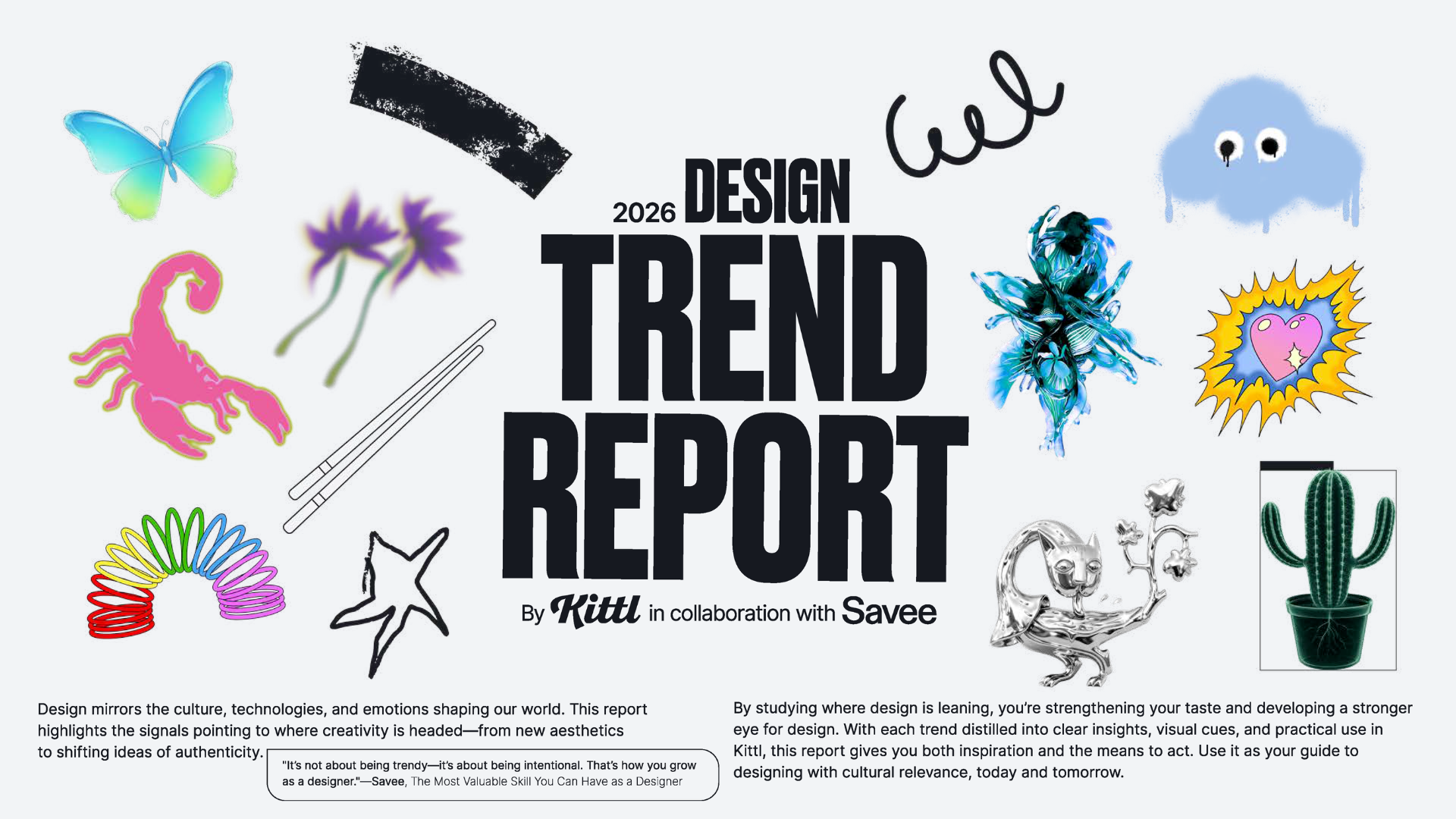
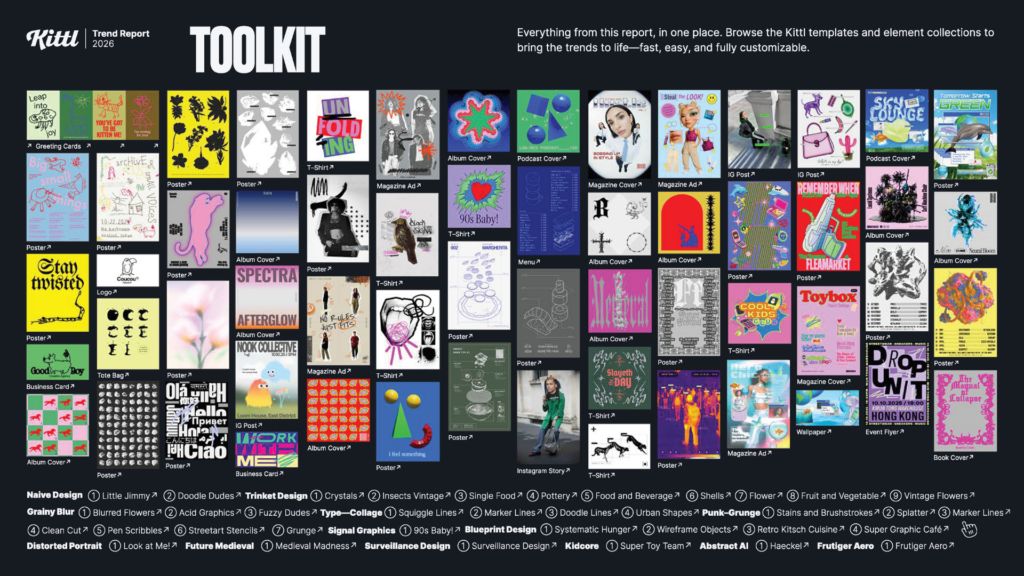
As we enter the year 2026, the design world is experiencing an unprecedented 'battle for dominance'. According to a trend report released by Kittl and Savee, we are no longer seeing a single aesthetic style, but rather a dramatic collision of two creative waves: the visual return of native handmade textures, and the leap forward driven by artificial intelligence.
For brands, this is not only a change of visual symbols, but also a profound debate on how "brand personality" can coexist with contemporary anxieties.
The Paradox of AI: Evolving from a "Tool" into a "Weird Aesthetic"
We used to worry that AI would replace designers, but in 2026, more and more brands are embracing AI's 'imperfections'.
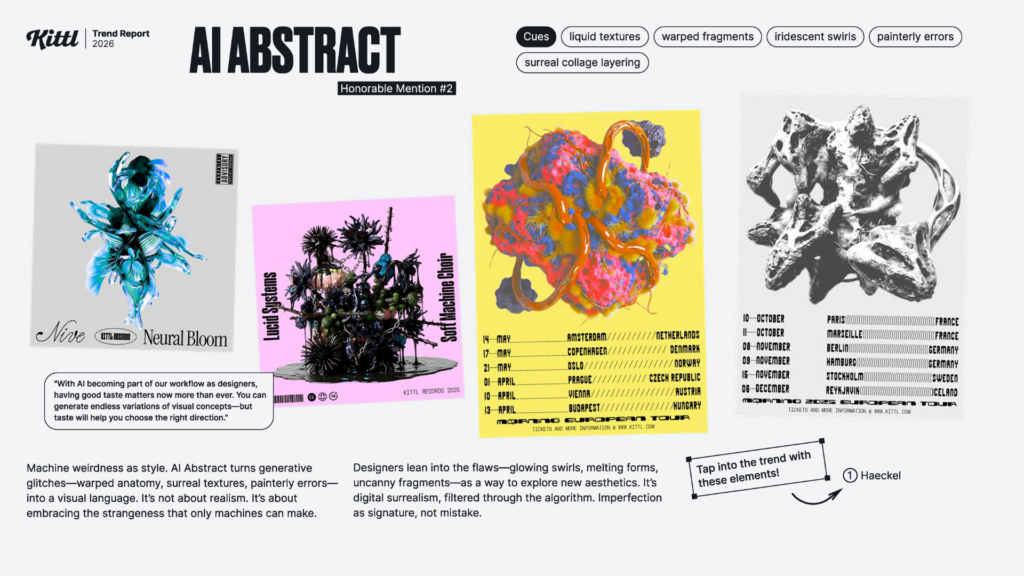
Trending: AI Abstract and Distorted Portrait
When generative technology becomes too smooth, brands start to pursue the kind of 'algorithmic weirdness' that only machines can create. "AI Abstract Wind" utilizes liquid textures and iridescent swirls to transform technological imperfections into digital surrealism, while "Distorted Portrait" responds to the dismantled and reinvented self-identity of the digital age through facial reconstruction.
The way forward for the brand:
Brands do not need to hide AI's involvement, but rather, through the visual uncertainty created by "utilizing AI and questioning it at the same time", they show that they dare to explore the boundaries of the brand, demonstrating a bold and innovative brand personality.
The Return of the Feeling: When "Childishness" Becomes a Luxury
When the screen is filled with calculated perfection, human "loss of control" becomes the rarest of assets.
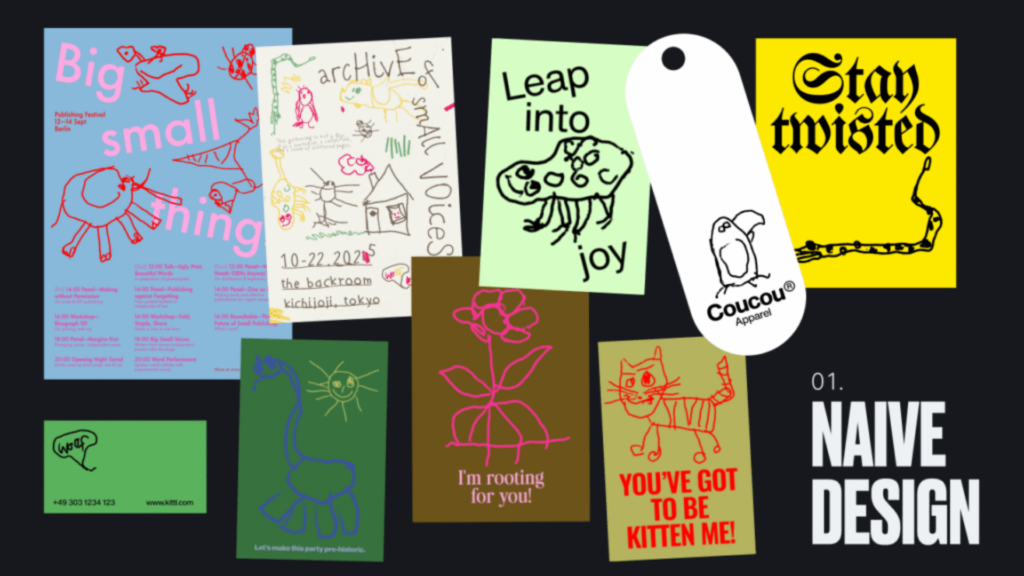
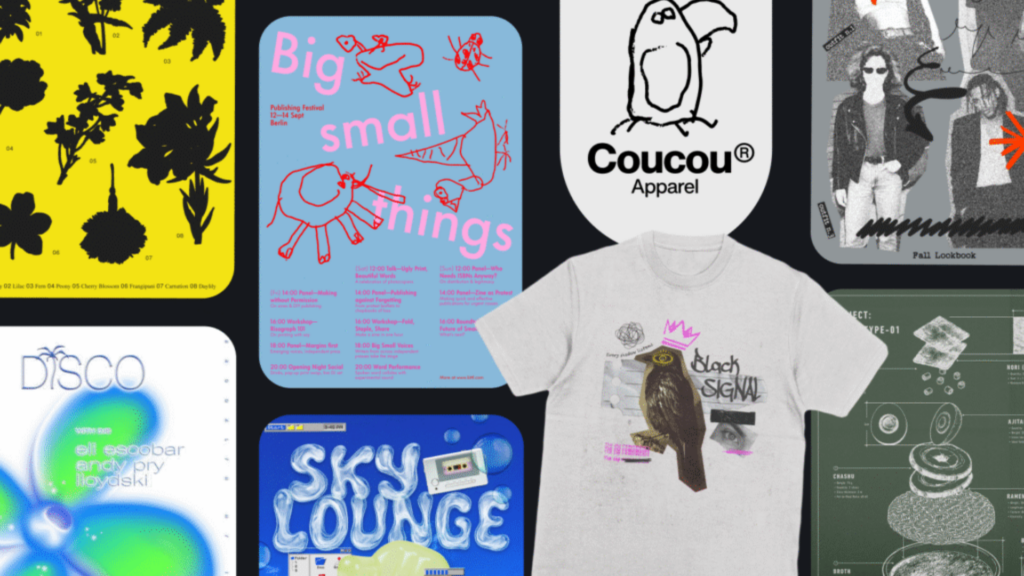
Trends: Naive Design and Blueprint Design
"Childish Design reaffirms the subjectivity of creation with random and imperfect lines, and is like an antidote to the coldness of technology. In contrast, "Blueprint Design" goes to the other extreme - through "over-reading" industrial details, it mechanizes and precise everyday objects, manifesting an almost paranoid respect for craftsmanship.
The way forward for the brand:
In the highly intelligent future, "human traces" are the manifestation of brand authenticity. This allows consumers to sense the warmth and soul behind the brand, rather than a cold production line product.
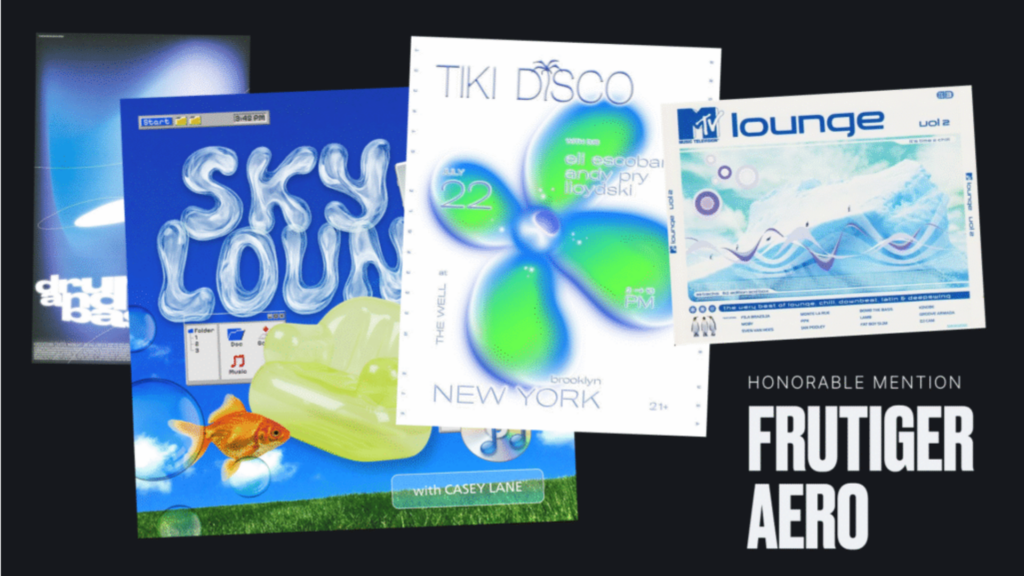
Sampling Time: Curing Technological Pessimism with Nostalgia
The nostalgia of 2026 is no longer just vintage, but a "non-linear sampling of time".
Frutiger Aero: The brand revives the techno-optimism of the early millennium, using luster and bubbles to rebuild a vision of the future in a time of technological pessimism.
Future Medieval: A blend of black lettering and digital light effects, the brand injects a sense of "ritual" into the screen by incorporating ancient mysticism.
Kidcore: Through 90's stickers and highly saturated primary colors, the joy of visual overload is used to counteract the current stress of life.
IV. Conclusion: How can brands get out of the future?
In the face of the visual impact of 2026, brands need to become "cultural samplers and remixers" rather than follow every trend. However, in practice, brands must strike a precise balance between "trend diversity" and "identity consistency":
Embrace complexity, but hold on to core identity:
The future of brand vision no longer offers a single, rigid standard; brands should be free to switch between the hyper-reality of AI and the roughness of handmade.But be sure to note that this "abandonment of a single standard" is not an abandonment of consistency, but an evolution from "visual consistency" to "logical and emotional consistency.Brands should define a set of underlying logics across different aesthetic styles (such as core colors, specific font proportions, or a brand's tone of voice) to ensure that the core soul remains recognizable no matter how the visuals change.
From "static aesthetics" to "dynamic living":
Over-perfect design is losing its vitality. Brands must allow for 'imperfections' in their visuals - whether it's an algorithmic error generated by AI or a scribbled line drawn by a human hand, it's a testament to the fact that brands are 'changing with the times'.Consistency no longer comes from the CI Guide, but from the frequency with which the brand dialogues with the times.
Conclusion
The design trend of 2026 will be a dance between man and machine, between collapse and re-enchantment. If brands can stay on top of this trend, they'll be able toBoldly experimenting with new visuals to maintain vitality, while maintaining a consistent brand impression through the delivery of core values.In this way, we will be able to construct a future that can truly respond to the present and be full of vitality in the visual flood.
Click here for the original article