Insight
Creative Director Opening: Design Management and Client Communication
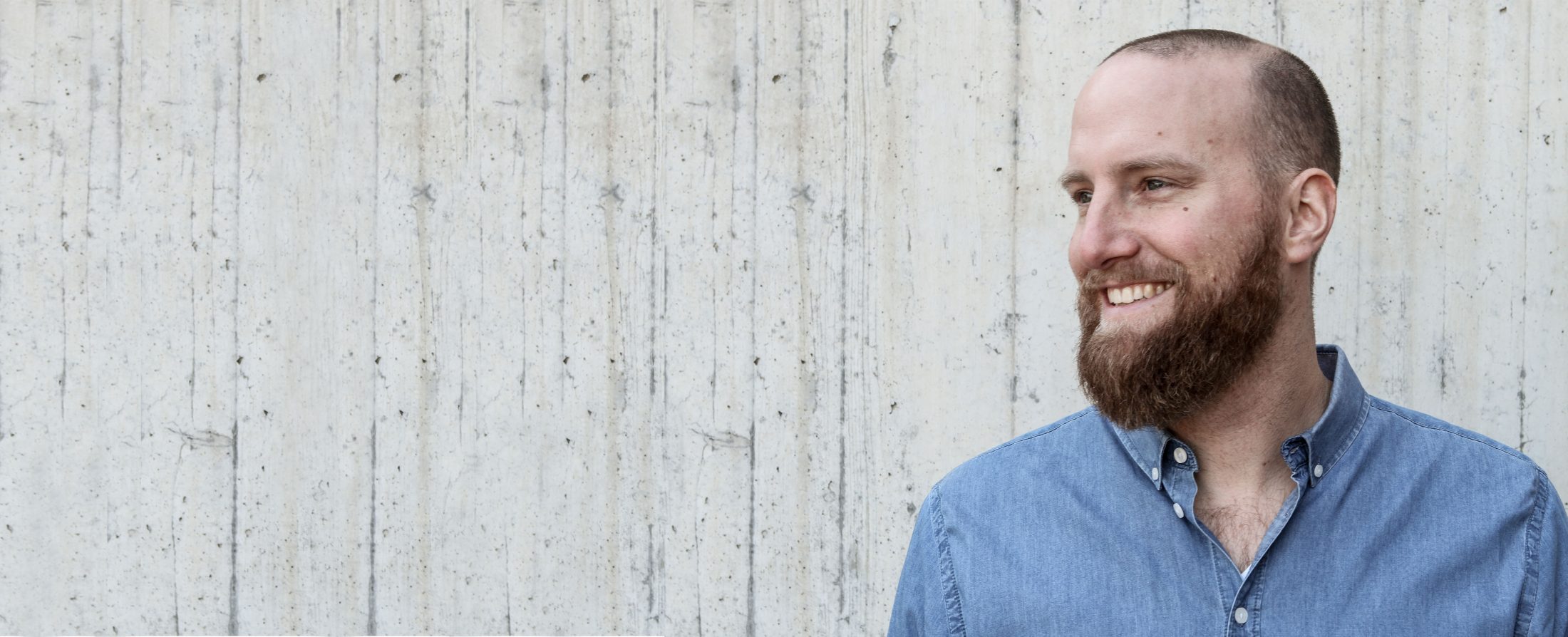
(Lead Answer: Fabian Bertschinger, Creative Director, Process Pro)
Everyone knows that a designer is the person who actually does the designing, but do you know what the person who leads a group of designers is called? It's called a Creative Director. Apart from the day-to-day management, the Creative Director has to be able to recognize the next step of the client, and then lead the development and future direction of the brand consulting and design consultancy company, he has to understand the pulse of the industry better than others, Fabian laughs, he is just like a soccer coach, he has to motivate his players, and he has to understand which player is suitable for which position, so that he can shoot the goal successfully, and win the grand slam. The same applies to design. The Creative Director has to know which designer is suitable for which project.
Therefore, we have listed a few questions to know how to judge a good brand identity under the macro vision of the Creative Director, as well as the small steps to get along with the client, so that we can understand the operation of the brand consulting and design consulting firms, how to utilize the expertise of each designer to make a comprehensive design, to achieve the ideal brand in the mind of the client.
Martin Kessler, the group partner of Process Pro Brand, traveled from Zurich to Taiwan to participate in the Brand Salon. He took the opportunity to share his experience in brand design and communication, especially from the initial Zurich office to the multinational branding consulting firm with offices in Taipei and Shanghai.
How does the design express brand identity?
If we think of a brand as a person with a personality, that's really what we're actually doing, which means finding the right objects (clothes, hair, styling), etc., to make that person 'more presentable'. It's the same with design. We develop tools and key elements to make the design look consistent and appropriate in the future. In other words, we've translated a company name into a "visual toolbox. If you believe that visuals can be impressive and responsible at first glance, then the key is to find the right visual language and get it right.
Have you ever wondered what your customers want?
This is often the case, especially when clients express their position and values to us. In principle, there is no right or wrong. In fact, our job is to challenge them, to ask them difficult and uncomfortable questions. We're a bold and demanding brand partner, and we don't say "yes" to everything easily, just to be flattered, which, fortunately, is what our clients want us to do, and what they're paying us to do.
What kind of designers do clients appreciate?
A good designer must also be a good communicator and a challenger who brings positive results. The designer must also have a genuine interest in understanding the client's business and its needs, and demonstrate trust and commitment so that the client is receptive to our ideas and design services.
What is a good corporate identity?
Good brands have strong characteristics. These characteristics can be perceived in everything from the company's words and behavior to its diffusion and creation, and a good brand must be attractive and relevant to its target audience.
What is the difference between being a leading designer and being an independent designer?
Because of the complexity of the client's task and the diversity of media, if you want to lead a brand, you need a team from a holistic point of view. At Pro Brand Evolution, we have a holistic approach to today's environment, where an independent designer may only be able to handle part of a brand's business. We're in an era of working together, and teamwork means learning how to get along with people, in addition to individual design and professional skills. The most important thing is to 'listen', then to be able to compromise and to enjoy creating different stages of work.
Which position do you enjoy more?
I like to take responsibility. As a Creative Director, I've been involved in Process branding for the past 5 years and I've produced a lot of work. However, as a branding and design consultancy, it's not just about theoretical constructs, but also the actual implementation of each project that leads to the advancement. That's why the link between management and team is so important, even in the details of each project. Equally importantly, I haven't lost my creative skills because our profession is constantly communicating and I have to know exactly what I'm talking about. I don't just want to comment on the design, sometimes I still feel like I have to do it myself. For example, I designed the recent KKL Luzern project (Lucerne Cultural and Congress Center), developed the whole design path and mentored the designers.
Case reading:KKL Luzern
Are there any tips for leadership design management? How is it different from regular management?
For designers, we can recognize the quality of their profession and work. However, the character of a designer's work is defined by each individual's perceptions, which can lead to misunderstandings, especially when comments on the work are interpreted as personal accusations. This also means that if you want to attract good designers, design branding and consultancy firms need to be able to offer attractive client portfolios and space for creative development.
A common conflict is that an ambitious, creative designer will never stop looking for new challenges. While the client is looking for a long term stable designer who can handle it, the designer would rather have a new client project to work on every few months. As the manager of a design team, I have to be aware of, and do everything I can to minimize, these conflicts that are unique to the design world.
About Fabian Bertschinger, Creative Director
Experienced graphic designer, graduated from the Zurich University of the Arts with a Bachelor's degree in Visual Communication and a Master's degree in Typography and Font Design. After working for many different brands and design agencies since Amsterdam, she joined Process Brand Evolution in 2012 as Creative Director leading Process Visual Languages, which has won more than 120 international design awards, including the Red Dot and iF design awards.