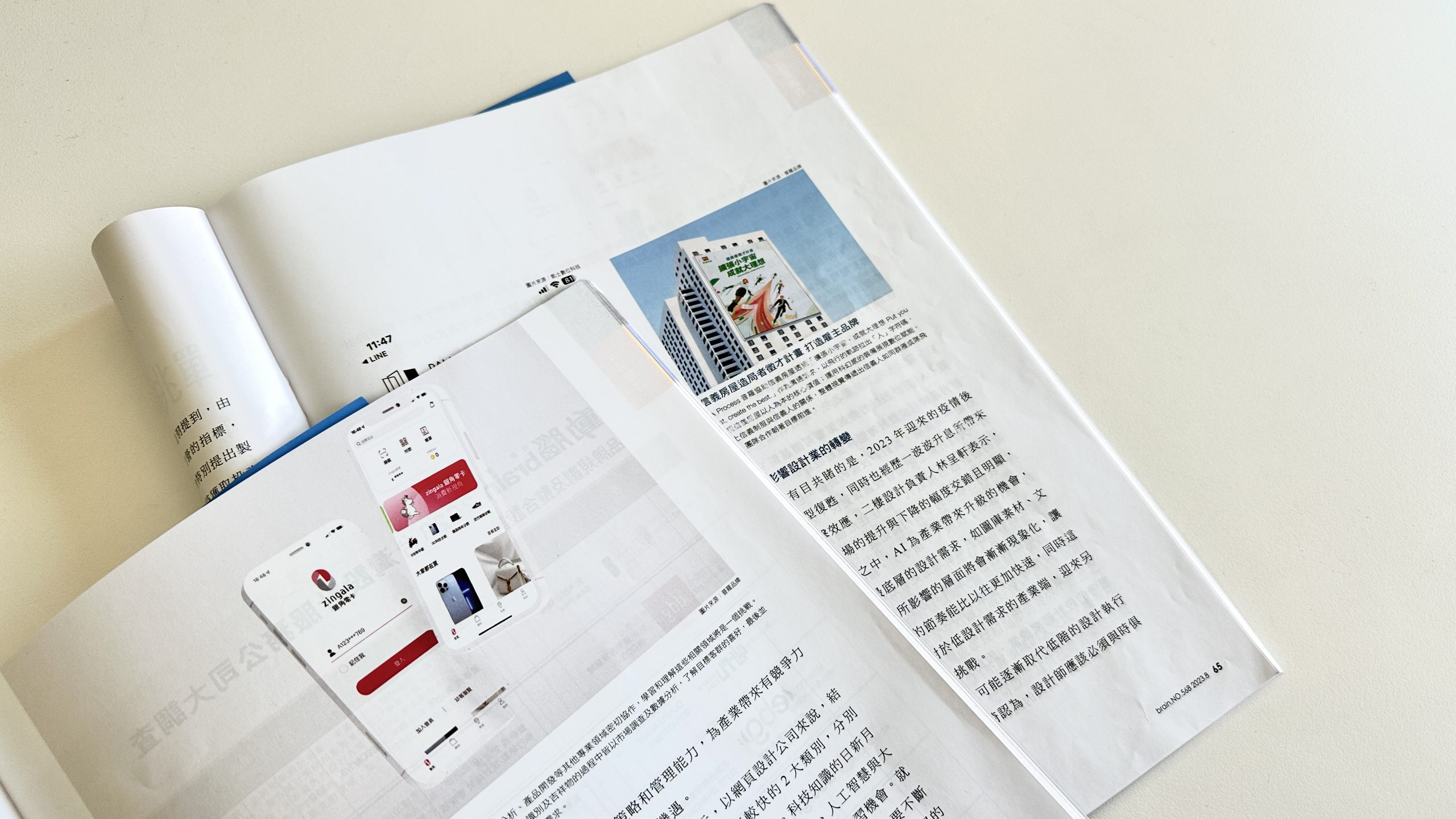
Interview
Brain Magazine Report] New Brand Favorability Indicator: Unlocking Post-Epidemic Design Tasks
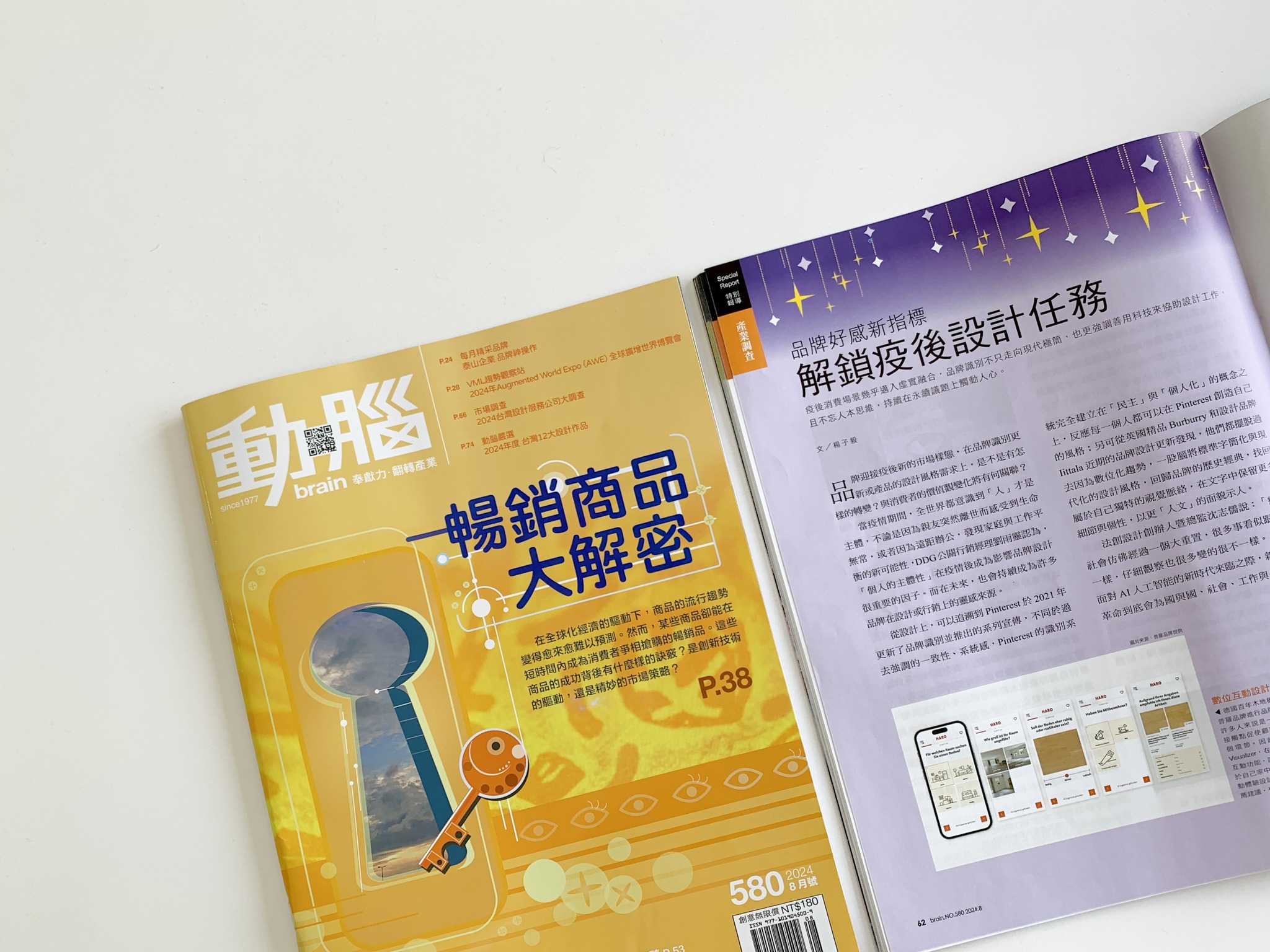
(Article/Young Brain Magazine Tzu-Yi Yang)
While the unblocking of the market has brought about a wave of growth, dramatic changes in the environment, policy and technology have become two of the main challenges for the design industry in this new phase. What are the trends to watch out for between this year and 2024?
ProcessPro Brands is proud to share our market insights in this special report in this month's issue of Brain Magazine: Consumers used to choose products based on their CP value, but now they are more likely to choose brands that offer a pleasurable immersive experience or that resonate with their values. Brands are no longer just product providers, but also community builders. By creating unique experiences and values, consumers are brought together to form a community with a sense of belonging and identity, further consolidating brand influence and loyalty.
The following is a reprint of an article from the August 2024 issue of Brain Magazine.
Design, science and technology are intertwined
Due to the accelerated digitalization of business activities in the post-quarantine era, even if the market is open, people will still gather information on the Internet before going to the physical stores, and the established impression will affect the purchase intention. That's why UVision's design director, Ms. Lo Tze Yee, believes that it's important to upgrade a brand's digital image. In recent years, when receiving brand design requests, it is also necessary to consider the versatility and sustainability of digital operations, so that brands can accurately integrate online and offline customer segments and form a closer relationship with consumers.
Especially in the trend of limited personal time and the information explosion that makes concentration and patience shorter and shorter, the trend of brand identity communication includes short videos, small animations, lazy packs, rich color schemes with simple blocks, big copy, fast flow of technological images, and the recent hot AI-generated images, which greatly enhance the expectation of future life and the imagination of the past culture.
In terms of web design, trends include personalization through AI to increase user engagement, such as reducing code usage, voice user interfaces to increase interaction, and making it more intuitive for people to operate websites and backend functions.
Leveraging generative AI offers the opportunity to rethink and reshape the design process. Designers can utilize generative AI to accelerate the creative phase and quickly generate multiple design solutions to improve efficiency. In addition, AI can help with repetitive tasks, giving designers more time to focus on innovation and strategic planning.
Design trends for 2024 will show a deep fusion of nature and technology, with designers exploring how to combine organic elements with digital technology. The use of natural elements, such as organic shapes, natural materials and pastel colors, will be combined with cutting-edge technologies, such as AI (Artificial Intelligence), AR (Augmented Reality) and VR (Virtual Reality), to create technological, yet user-friendly, designs.
Pro Viewpoint
The epidemic has changed consumer habits and attitudes towards brands. You Lai Lin, Senior Designer at Pro Brand, said that consumers used to choose products based on their CP value, but nowadays they are more inclined to choose brands that can bring them a pleasurable immersive experience or that resonate with their own values. Brands are no longer just a product provider, but also a community builder.
How to convey the emotional value of a brand through brand identity design and create a personalized brand experience will be the key to stand out in the market. For example, through AI technology and data analytics, brands are able to more accurately understand consumer needs and preferences, so that they can provide more thoughtful and personalized products and services at key points in the customer experience journey. This also tests designers' ability to create creative and design solutions that emphasize a brand's identity in the digital environment.
Digital Interactive Design for Personalized Recommendations
HARO, Germany's leading wood flooring brand for over a century, commissioned Process Pro to conduct a rebranding exercise and discovered that buying new flooring is a one-time event for many people, and that how to motivate customers to buy at key touchpoints is a crucial part of the process. Therefore, HARO developed the HARO Room Visualizer, which combines AR with real-world interactive functions in the APP and official website, allowing consumers to quickly see how the product is used in their homes, and through the design of the digital interactive experience of questions and answers, it gives consumers more personalized product recommendation suggestions, effectively increasing customers' willingness to buy.
Case reading:HARO
Expanding the impact of employer branding to resonate with employees
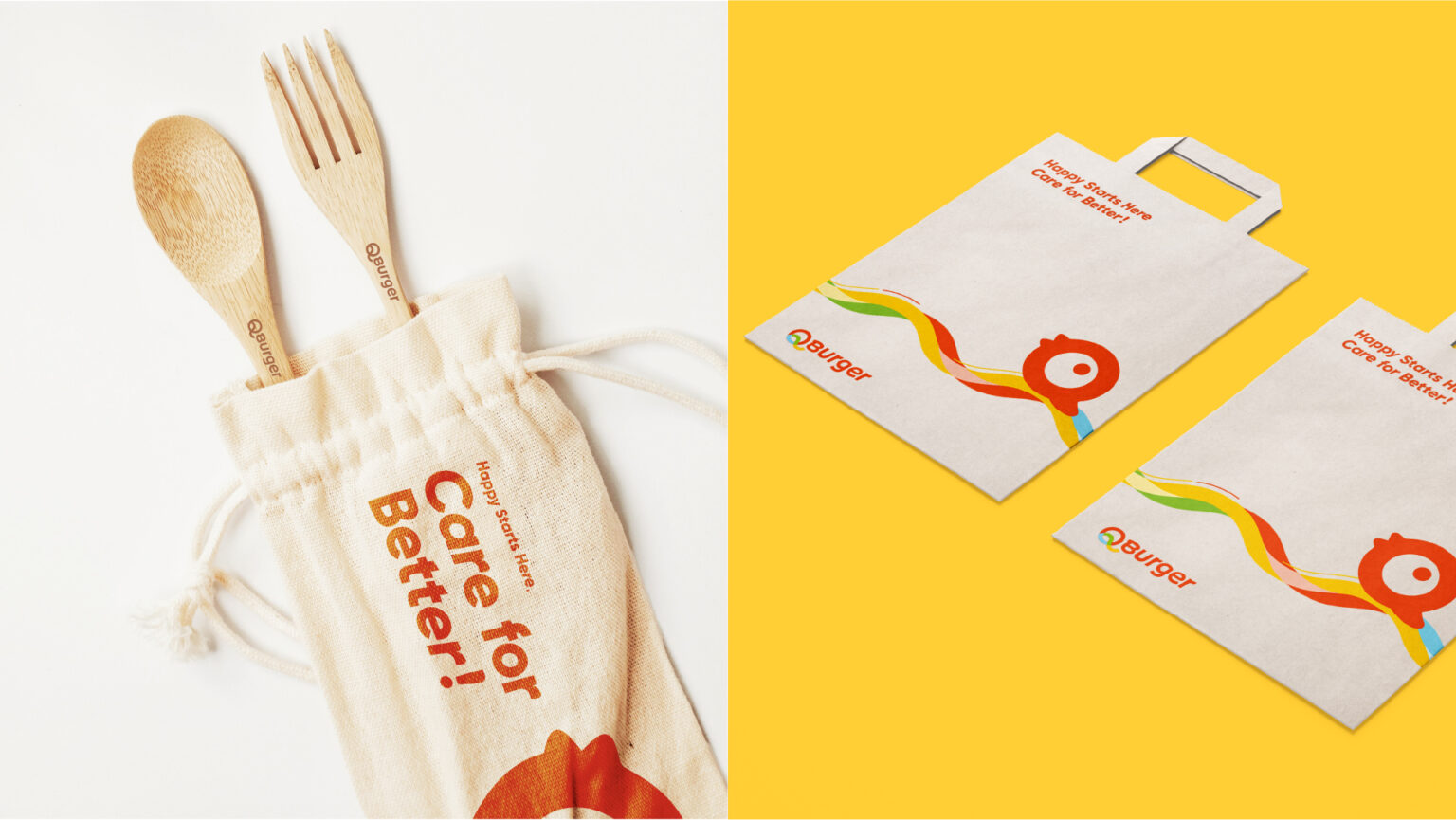
The importance of authenticity and storytelling also applies to employer branding, as Process created the "Hello! Boss Program" employer brand for Q Burger, a leading Taiwanese food and beverage brand, which not only demonstrates a unique recruiting proposition, but also visually combines bright, lively graphics and authentic, storytelling brand images to vividly depict the enthusiasm, smiles, and lively work environment of the employees. The brand image not only successfully attracted the attention of the employees, but also attracted them to the company. This brand image not only attracted potential candidates, but also resonated with existing employees, resulting in a 25% increase in resumes and a 5.2% decrease in the turnover rate.
Case reading:Q Burger
A New Positioning for Future Design Work
With the development of AI technology, designers have the opportunity to devote more energy to more creative and strategic areas, focusing on digging deeper into consumer insights and cultural context, and integrating these elements into their designs to create works with more depth and meaning. The future of the design market will be repositioned, as design services that used to be focused on CP value and technology will gradually give way to designs that closely integrate consumer needs, brand content and cultural contexts, and these deeper and more resonant works will become the focus of the market.