
Insight
The Road to International Marketing for Taiwanese Brands: How to Expand Steadily in the Global Market?

(Text: Yang Shuyan / General Manager of Process Pro Brand Taiwan)
With the changing international landscape, intensifying supply chain challenges, and increasingly diversified consumer demands, Taiwan companies are facing escalating competitive pressures. As reliance on a single market can no longer fully support long-term growth, exploring international markets may be an important direction for Taiwanese companies to enhance brand resilience and strengthen competitiveness.
Taiwan enterprises are known for their technological innovation, operational flexibility and high quality products, and have a good foundation for expanding into the international market.The company has been able to meet the needs of different regions by entering into multiple markets. By entering multiple markets, the company is not only able to satisfy the needs of different regions, but also injects sustainable momentum into the brand's long-term development.
1. How do I choose to enter the market?
Before entering the international market, choosing the right target market is the foundation of success. Enterprises should first conduct detailed market research to analyze consumer demand, competition and growth potential. For the Asia-Pacific market, Taiwanese companies can capitalize on their cultural proximity to enhance market acceptance, while in Europe and the US, they need to focus on environmental protection and innovation to meet the high standards of local products. When selecting marketsEnterprises should take into account market size, resource allocation, promotion costs and long-term strategies to identify markets that match their capabilities and bring long-term benefits to ensure a higher chance of success in entering the market.。
2. cultural and consumer value differences in local markets
International markets vary greatly in terms of culture and consumer values, and these differences have a direct impact on brand acceptance. Different cultures have different product expectations, for example, consumers in Europe and the US prefer environmentally friendly, sustainable and health-oriented products, while Asian markets emphasize practicality and price-performance.
Understanding and respecting these differences not only helps the brand to be quickly accepted by the local community, but also avoids communication difficulties caused by cultural misunderstandings.This is to promote the long-term development of the brand. In the health industry, for example, the definition of "health" varies from country to country. Americans emphasize youthfulness and vitality, and see wellness as a form of physical activity, which is why positive and inspirational slogans such as "Just do it" are popular in the country. Chinese people emphasize the unity of man and nature, and see health as a state of balance between mind and body. In Japan, on the other hand, health is seen as a responsibility, and care is taken to prevent the spread of disease for the sake of family and community harmony. By understanding these differences, companies can more effectively communicate their brand values in each market, ensuring that brand communications are accurate and relatable.
3. Importance of establishing a brand strategy platform
Before expanding into international markets, it is important to establish a clear brand strategy platform. A brand strategy platform helps organizations to define their core values, positioning and target audience, and provides a consistent direction and framework for global marketing activities.Stable brand strategy platform ensures consistency of brand image in the global marketplace and avoids brand fragmentation or blurring as the market expands.The brand strategy platform enables companies to ensure that their brand image conveys the same core values across regions. Through the brand strategy platform, companies can ensure that their brand image across regions conveys the same core values, and maintain brand stability and consistency even as they make localization adjustments in different markets.
TLC Chung Leung IndustrialAs one of the success stories in the industry, the brand's core value is "Bond without Boundary. The core value of the brand is "Bond without Boundary. The future is limitless." It emphasizes the spirit of innovation without boundaries and connects different markets and needs. This brand spirit is not only manifested in the diversified applications of its products, but also through its ESG sustainability initiatives. In the production and operation of its products, Chunghwa is committed to environmental protection, actively engages in green manufacturing and resource recycling, and ensures that its products comply with environmental standards around the world.
Through such a brand strategy platform, Chunghwa has not only been able to maintain the consistency of its core values in the global market, but has also been able to satisfy the demand for sustainable development in different markets, and has successfully built up a socially responsible brand image in the international market.

Read more:TLC Chung Leung Industrial
Another example isBank of Taiwan
With the spirit of "A Good Partner for Life" and the business philosophy of integrity, care, efficiency and stability as the core, we create "Great Deal, Great Life!" for our customers, and continue to pursue the inheritance and innovation of financial know-how in order to create a good product and service experience for our customers.
With the rise of the digital wave, Bank of Taiwan, based on its brand strategy and spirit to promote its digital financial business and brand image evolution, has extended the design of its dynamic logo and the identification system of its various services based on the optimal adaptability of its corporate identity elements in the digital environment.

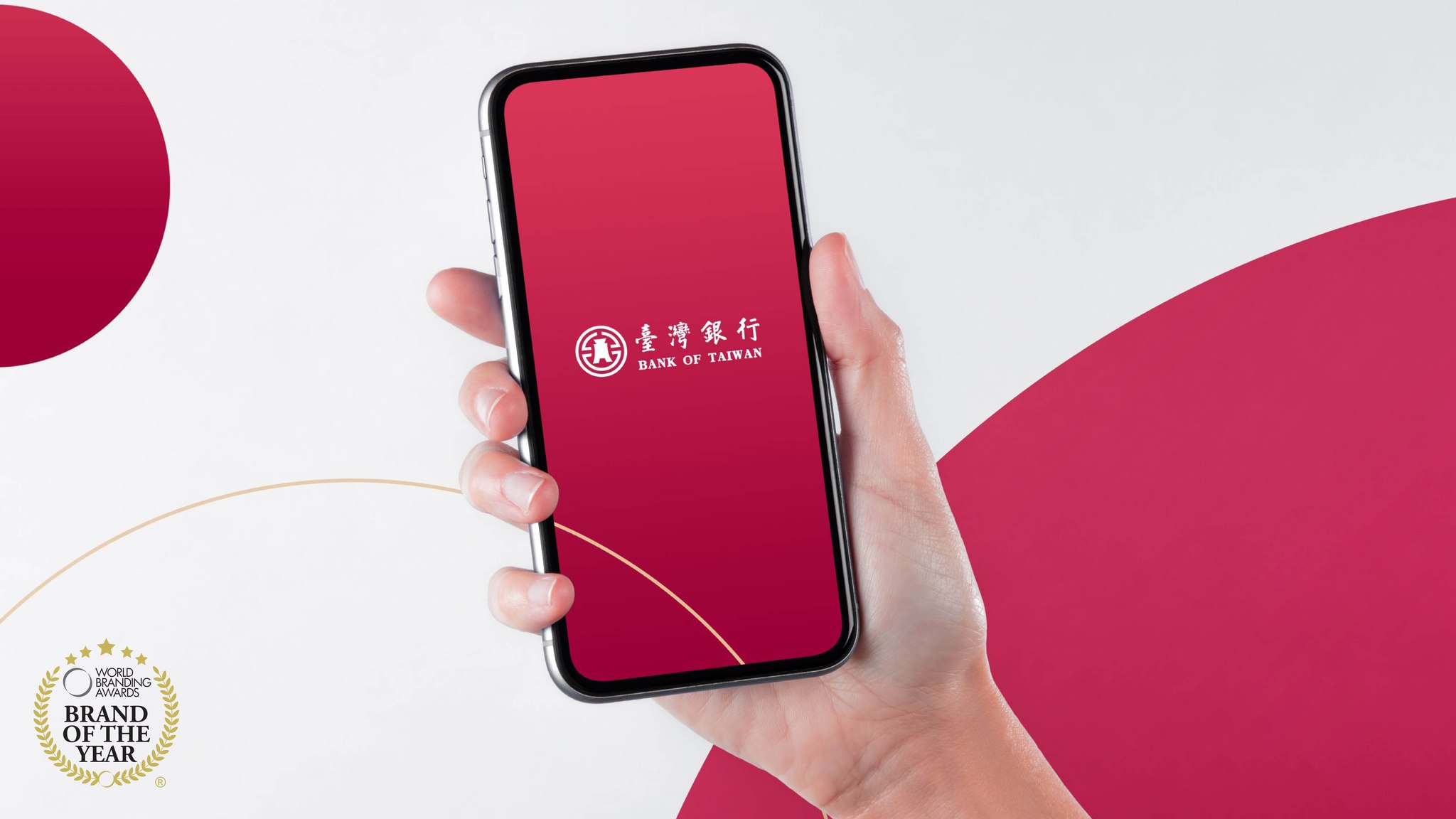
After winning six Monte Jade National Brand Awards in July, the Bank of Taiwan once again demonstrated its outstanding brand strength by winning the "2024-2025 World Branding Awards" (2024-2025 World Branding Awards), in which 100,000 consumers in 66 countries voted for the most popular brands, and the Bank of Taiwan won the "Brand of the Year Award" (Brand of the Year) out of more than 927 brands. Bank of Taiwan stood out from over 927 other brands and won the "Brand of the Year" award, making it the only Taiwanese brand in the commercial banking category to receive a national award this year.
Read more:Bank of Taiwan
4. Brand Communication: Adjusting but not deviating from the core
Brand communication needs to be localized according to local market characteristics, but should still maintain the consistency of the brand's core values, which means that the brand needs to beStriking a balance between localized expression and global brand spiritThis is to avoid blurring the brand image or losing the original positioning due to over localization.
Secondly, brands need to strengthen their interactions with consumers based on locally preferred communication channels. With the rise of digital marketing and social media, brands need to be more responsive to the needs of consumers.Usage habits of communication platforms in different regionsThe differences are significant. For example, in Western markets, brands can use visualization platforms such as Instagram to emphasize the lifestyle and aesthetic attributes of their products, while in China, companies can use social media such as WeChat and Xiaohongshu to convey their brand values by incorporating local cultural symbols.
In addition.Fine-tuning of language and presentation is also very importantCultures differ in their acceptance of communication tones and expressions. Different cultures have different levels of acceptance of communication tones and expressions, so brands should be culturally sensitive when designing linguistic content to avoid misunderstandings.
5. Brand management: how to maintain global consistency?
Maintaining brand consistency is key when entering the international market.Enterprises should establish a globally standardized brand management system and regularly review the performance of their brands in different regions to ensure that they do not deviate from their brand positioning.Brand consistency not only enhances consumer trust, but also helps to maintain a solid brand image across markets. Brand consistency not only enhances consumer trust, but also helps maintain a solid brand impression across markets.
Grobest Chuan Hing InternationalIt is an example of effective management of brand consistency. As a leading aquafeed company, Chuan Hing International has operations in Vietnam, Thailand, China, India, Indonesia, the Philippines and Malaysia. While consumer needs and cultural preferences vary from market to market, All Saints stays true to its core brand values of ecological conservation and sustainable development, and its One Grobest, one team ethos is carried through in each market, ensuring a consistent brand image.
To balance global consistency with local adaptation, All Saints International has established a unified brand management system while empowering its regional teams to localize their strategies according to local market needs. For example, in each market, All Saints demonstrates that its products are environmentally friendly and sustainable, while flexibly adapting its marketing approach to suit the culture and preferences of local consumers. This approach to brand management has not only strengthened the trust of All Saints International in the international marketplace, but has also successfully extended the brand's influence to a number of countries.

Read more:Grobest Chuan Hing International
In conclusion, entering the international market is both a challenge and an opportunity for growth for Taiwanese companies. In the face of diverse needs and cultural differences in the global market, establishing a clear brand strategy platform, flexible market adaptation strategies, and consistent brand image management can help companies grow steadily in different markets.
