
Insight
With a design strategy, the chicken is no longer talking to the duck, and the bull's head is no longer in the horse's mouth!

In mid-2019, FOSS Automotive unveiled a new brand identity on the eve of the Frankfurt International Motor Show. The logo features a slimmer combination of letters and a single color presentation, paired with a series of designs that take into account future developments in the automotive market and software, to create a practical, fresh and youthful brand image that connects to a new vision for the future.
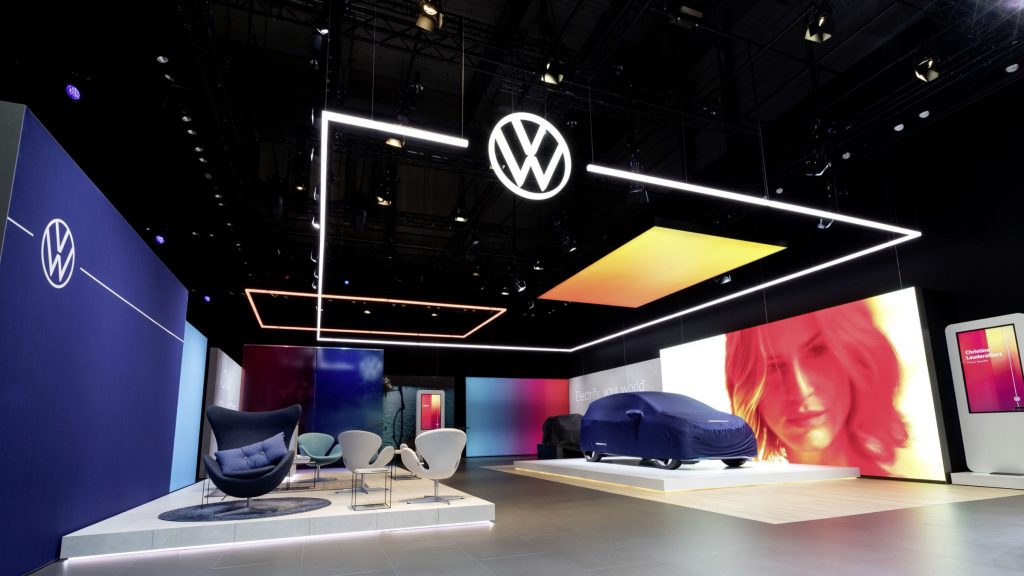
(Image source: Volkswagen)
In the face of the ever-changing demands of the modern marketplace, brands must continually create and adapt to the needs of consumers, and design is the best tool for improving the problem in the most direct way. A good design strategy can guide and provide a clear direction of thinking, and help us to utilize various design tools to build a brand.
The Importance of Design Strategies
In the past experience, we often see the design side and the enterprise side due to the different design concepts and the development of out-of-focus creativity, on the one hand, the designer needs to spend a lot of time revising, on the one hand, it also increases the cost of communication with the enterprise, at this time, a good design strategy will help both parties to solve the key problems of the design and production process.
“Design strategy is the process of creating an intersection and balance between ”market needs' and 'homeowner needs'."
Through design strategy, we can help companies understand the external situation and internal consensus through comprehensive and effective communication on the issues of visual uniqueness and consumer perception, and find key solutions from the framework of requirements to help companies create good design that meets the business expectations, and at the same time, set a new benchmark for success in the market.
A good design strategy provides a blueprint for building brand value.
In this day and age, people use a variety of software and media tools that are easy to use to quickly build a brand identity that is aesthetically and spiritually pleasing. A good design strategy is like a stepping stone that can effectively help a brand portray its imaginative space for the future, and through the help of "market research" and "workshop discussion", it can help brand operators and designers to find creative intersections and consensus, so that subsequent implementation and discussion will be supported by more systematized and accurate information, which can be perfectly aligned with the various touch points and help the brand achieve the best benefits of business communication. This will help brands achieve the best benefits of business communication.
Four points to think about for design strategy:
In the process of building a strategy, it is important to take a holistic view of the brand and examine all the issues and messages. Designers must put on special filters to filter out the needs of the market and create an attractive brand image. We suggest four steps to build an effective design strategy:
1. Clear market positioning and expectations
If a brand wants to find its own place in the market, it must first start by researching the habits and hidden needs of consumers, and then dig out its own strengths and external opportunity points, in order to find the white space that the brand can occupy in the market, and to define a clear market positioning, which will serve as the core foundation for the future development of the brand's design.
Through preliminary data collection and analysis, the ProTeam understood the needs and preferences of customers in the international market, identified the differentiation and brand positioning in the target market, and interviewed the target customer segments.
The English name "Pureign" is composed of pure and reign, which has the connotation of "Pure dominates everything", while the Chinese name "Chun Rui" is derived from English, which refers to the brand's origin in purity, and does not forget to self-cultivate and grow, in order to achieve the brand's height.
Case reading:Pureign 淳銳
2. Connecting cultural links and future visions
Each brand has a unique cultural heritage, which comes from the history of the company, e.g. what are the moving stories we can look back on? Operational and commercial changes? Spirit and beliefs? This helps us to preserve the beauty of the past and articulate our business model and brand vision for the future, developing a brand "spirit" that carries us forward.
CTC Spectrum ElectronicsAs we are approaching the 30-year milestone, we are at a point of change in the market where we need to innovate our services and products, and gradually change our business strategy from being an OEM to being a comprehensive solution provider, recognizing that we can be a long-term business partner for our customers. Puro continues to optimize the image accumulated in the market and in the minds of customers with the old logo, presenting a brand new atmosphere of excitement and positivity.


Case reading:CTC Spectrum Electronics
3. Linking communication development and application methods
In order to cope with today's diverse carriers and communication environments, brands must be equipped with "functional" aspirations and logical thinking. In other words, in the process of brand development, brands must examine the media, services, communication...etc., as a support for the brand's design development, to deduce the most appropriate form of visual expression, and to ensure an effective and accurate design vocabulary.
AlginosThe logo design is highly expressive of the product's characteristics, using the dark blue-green seaweed flowing pattern to symbolize "seaweed pure and natural" and bringing the shape of the stomach into the design to express the product's imagery in a more intuitive way; then emphasizing the product's "insistence on high quality" through gold, and the auxiliary pattern of the light projection to realize the "quick-acting function of the product"; the fluidity of the shape and the wrapping structure completely echo the core values of the brand: Gastric Reflux protects our lives all the time.
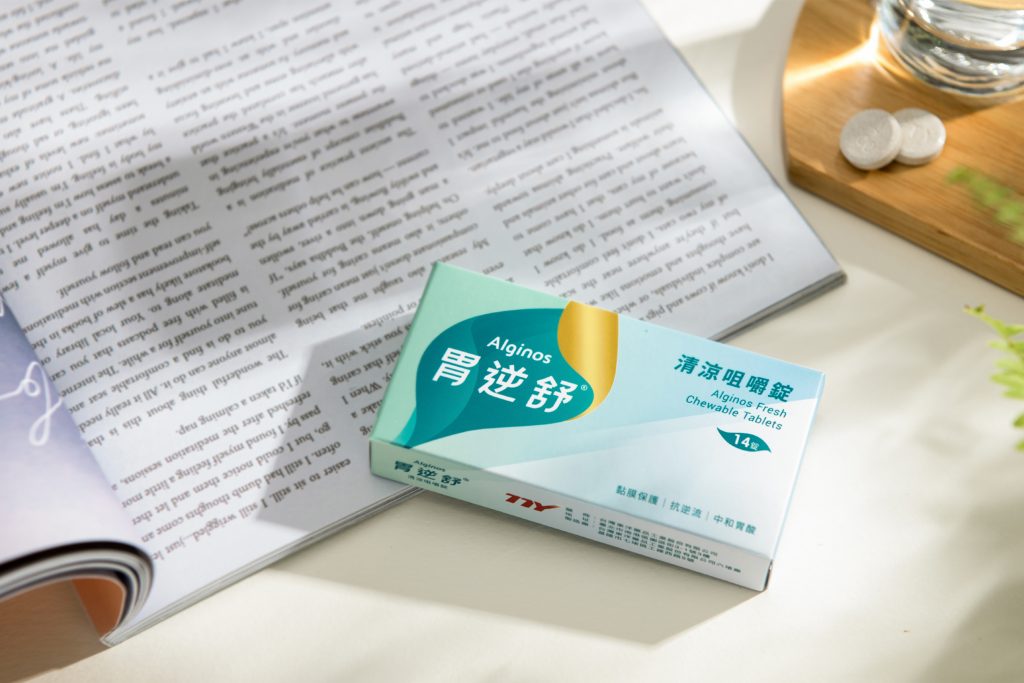
Case reading:Alginos
4. Tapping into sensory elements
In the final stage of design strategy development, it is to explore the "sensory elements" of the brand. Brand operators will from time to time express their "potential needs" during the project discussion process, but due to the lack of design professional training and common language, it is difficult to express the most precise feelings in precise terms, which leads to the designers often over-conjecture the thoughts of the brand operators or omit their needs in the creative development of the situation. In this regard, designers can guide brand operators to visualize their brand identity through their personality and the five senses (sight, sound, touch, smell, taste)...... and other sensory elements, which can then be used as a zone of distinction between future design services and ideas.
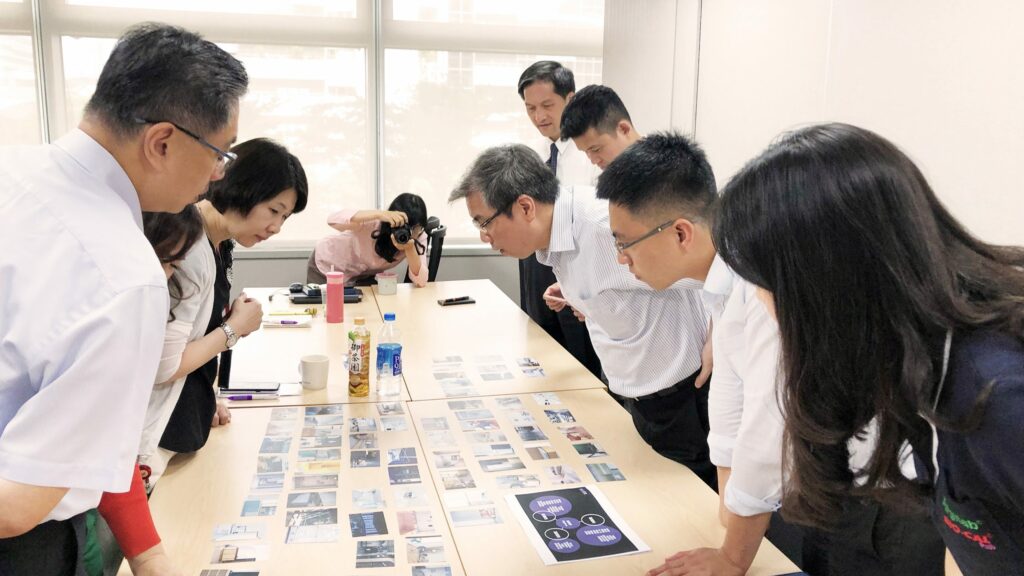
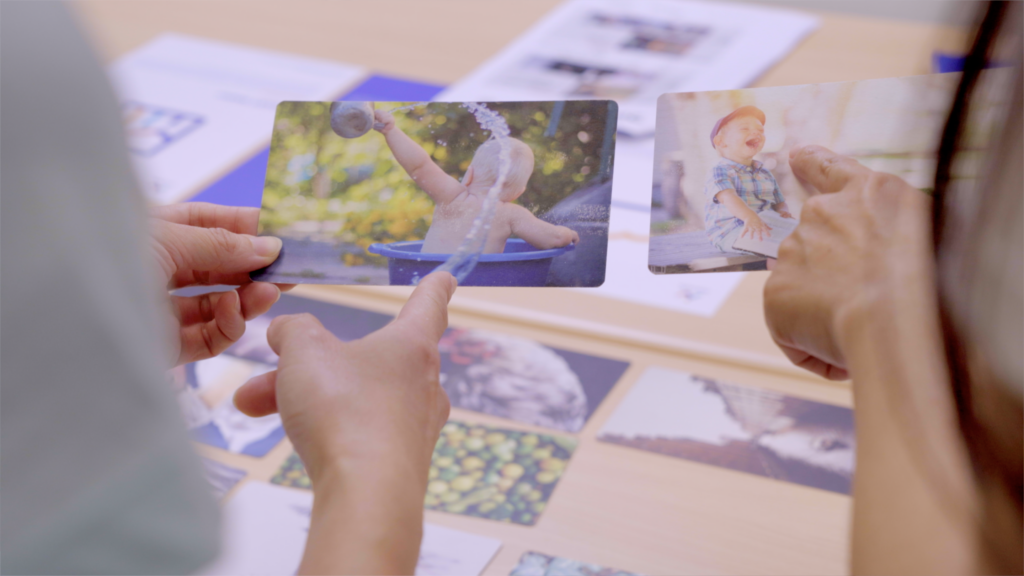
(Design Workshop) Process helps companies to seek consensus within their organization through design consensus meetings, guided by sensory elements.
A good design strategy can establish a good foundation for mutual creativity, so that the designer in the process of design services for the enterprise to provide a good communication experience, through the development of creative mechanism, can be in the reasonable logic of free speech, express their own ideas, so that the brand in the diversity of creative ideas to find the most accurate and appropriate way of expression, to help enterprises to obtain in the business of new energy, open up the value of the more obvious brand! The road of brand management is more and more valuable.